Athlete Doping Ban – When a pro athlete gets sidelined for doping or misconduct, the hit goes way deeper than sitting out matches. Brands pull back, loyal fans lose faith, and those cozy post-retirement plans start looking shaky. The AFL’s recent integrity crackdowns — like Rhys Mathieson’s steroid ban and Joel Smith’s massive four-year suspension — show just how fast a carefully built image can crumble. In this environment, the line between admired legend and damaged liability becomes frighteningly thin.
The Brand Hit: Why Sponsors Bolt First
Sponsorship runs on shared values and trust. Companies pay big money to athletes who represent discipline, clean living, and authenticity. The moment a doping suspension lands, that entire arrangement breaks. Most brands don’t hesitate — they freeze contracts, scrub promotional content, and distance themselves fast. Even if the athlete’s offense feels “personal” rather than performance-related, the stain still spreads. Sponsors aren’t just buying visibility; they’re purchasing credibility. Once questions arise about an athlete’s integrity, that investment starts looking like a gamble. For most players, losing this sponsorship income stings more than any fine or forfeited salary.
Mathieson’s Story: Gym Credibility Crumbles
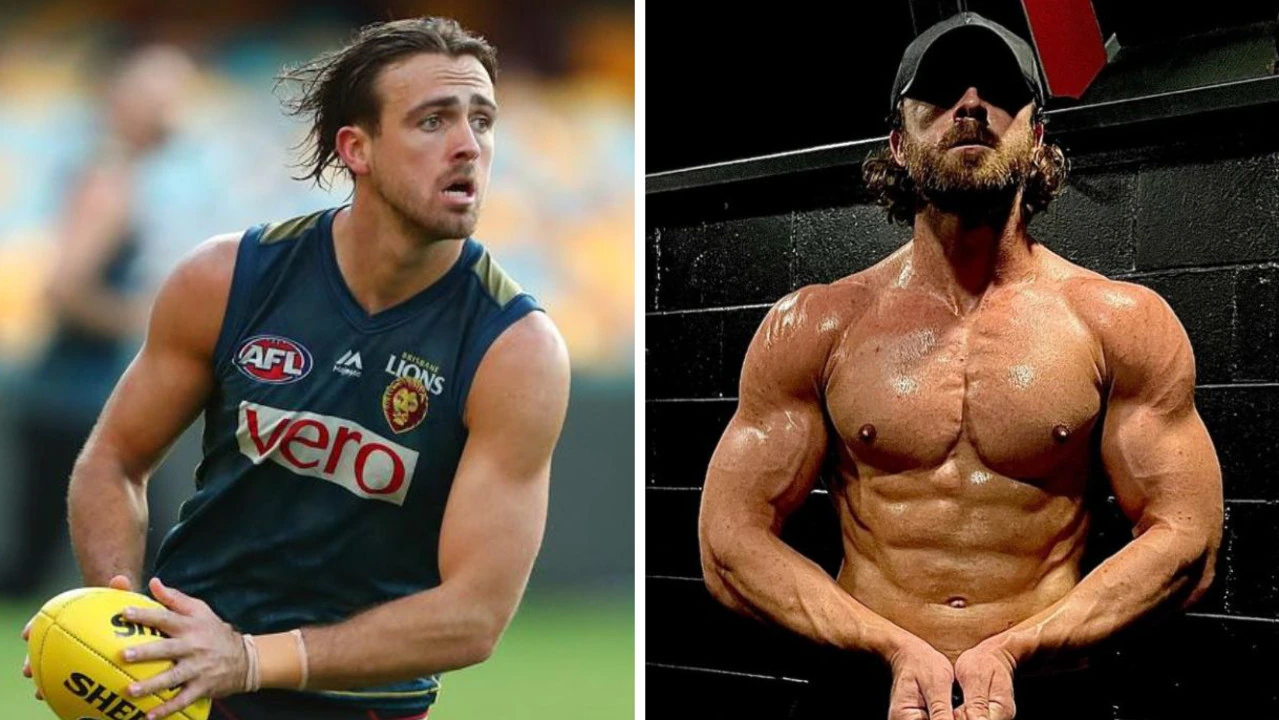
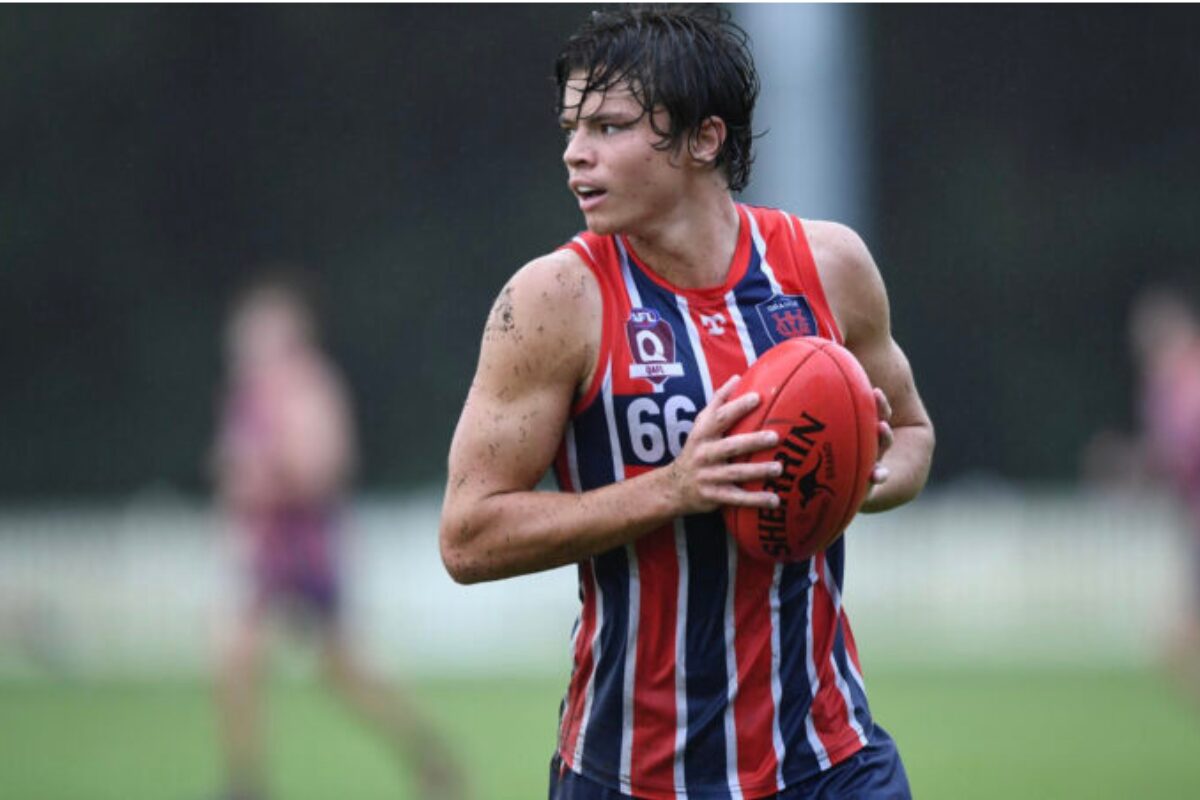
Rhys Mathieson built a fierce online nickname — “Beast Mode” — by pumping out gym clips and transformation photos. His physical changes earned admiration, then eventually investigation. After testing positive for oxymetholone, a prohibited anabolic steroid according to News.com.au, his entire fitness persona flipped from inspirational to suspicious overnight. Followers started questioning whether any of it was real. Brands that once lined up quietly disappeared. Mathieson still works within bodybuilding and fitness circles, but earning back that lost trust? That’s going to take genuine transparency, real accountability, and a whole lot of patient, consistent messaging before anyone believes again.
| Athlete | Ban Reason | Brand Fallout | Where They Stand Now | Impact Level |
|---|---|---|---|---|
| Rhys Mathieson | Anabolic steroid positive (oxymetholone) | Social media credibility tanked; sponsorship interest dried up | Still grinding in bodybuilding scene but trust is shaky | High Impact |
| Joel Smith | Cocaine positive + trafficking allegations | Career effectively nuked; zero sponsors remain | Future completely uncertain | Critical |
Beyond Mathieson: Other AFL Cases and Hard Lessons
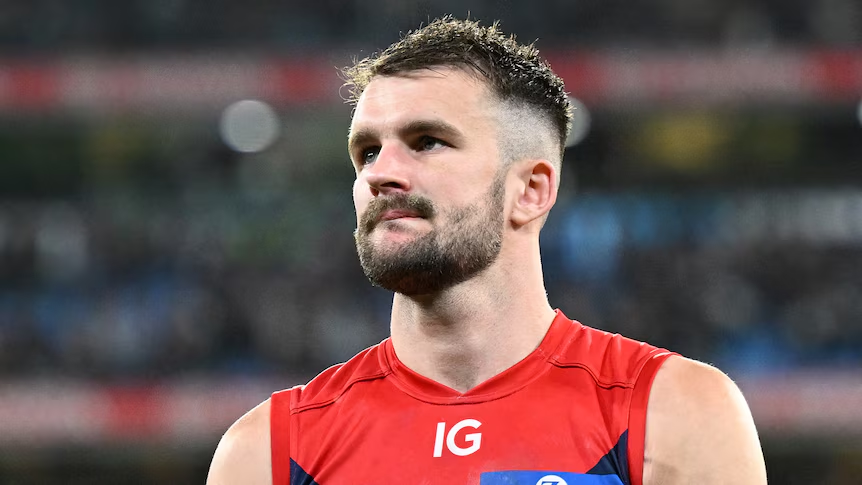
Mathieson isn’t alone in this ugly club. Joel Smith from Melbourne FC copped a four-year ban after testing positive for cocaine alongside trafficking accusations. His situation turned out even bleaker — effective career death and no clear path forward. Sponsors evaporated instantly, and public conversation framed his case as both a legal trainwreck and a moral failure. Two different athletes, two different contexts, but both share one brutal truth: a doping suspension destroys predictability. Once trust shatters, rebuilding becomes a slow, grinding project — not something a slick PR team can fix with a press release.
Life After the Ban: Second Acts Are Possible – Athlete Doping Ban
Not every suspended athlete fades into obscurity. Some pivot into coaching, strength training roles, or sports media — but only if they’ve genuinely restored their integrity. Success here depends entirely on timing and real humility. Players who own their mistakes early often find their way back through mentoring younger athletes or educational work. Those who double down on denial usually disappear from relevance entirely. Outside traditional sport, fitness entrepreneurship — online coaching, apparel lines — offers a potential lifeline. But modern audiences can smell a fake from a mile away. They demand honesty over polished image. Credibility isn’t just nice to have anymore; it’s the only currency that buys a real comeback.
Rebuilding the Right Way: Honesty Over Hype – Athlete Doping Ban
A real comeback starts with accountability, not excuses. A public apology only lands if it’s backed by consistent action — charity work, speaking honestly to young players, advocating for better education around doping. Athletes also need to carefully reshape their digital footprint. Social media can speed up recovery if it broadcasts genuine growth and sincere lessons learned, rather than defensive rants or image rehab stunts. Working with integrity organizations or mental-health programs proves real change has happened. When rehabilitation is authentic rather than performed, some brands eventually creep back — slowly, cautiously, but meaningfully. A doping suspension doesn’t just stop someone from playing their sport. It rewrites their entire life story. Some athletes manage to reshape that narrative through honesty and genuine contribution. Others simply vanish from the conversation forever. In today’s sports world, legacy depends as much on what you do away from the game as what you achieved inside it. For clubs, sponsors, and fans, redemption remains possible — but only when athletes face the truth head-on instead of hiding from it.
About the Author