
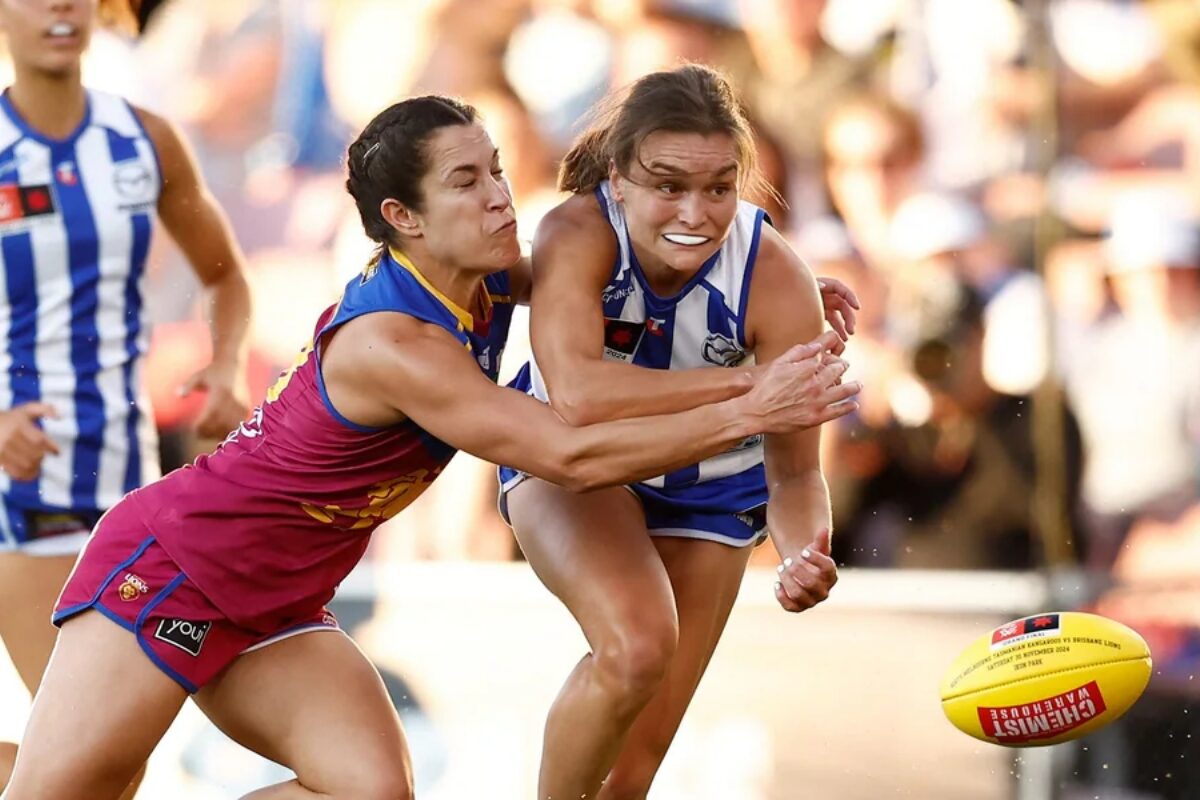
The 2025 AFLW Grand Final brings another meeting between North Melbourne and Brisbane, but the tone surrounding the third instalment feels different. North enter unbeaten across two full seasons, carrying a system built on composure, control and repeat scoring opportunities. Brisbane arrive through a season coloured by resilience, where pressure chains and momentum bursts kept them in contention despite mid-year setbacks. With AFLW Grand Final stats now central in shaping match analysis, this year’s contest presents clearer indicators about how the final chapter of this rivalry may be written.
Rivalry Momentum and New Season Trends
The shifts between 2023 and 2024 continue to shape 2025. Brisbane’s pressure-first dominance defined their 2023 win, while North Melbourne’s composed ball movement and improved clearance work delivered the opposite result in 2024. Both sides have carried those lessons into this season, but updated numbers show fresh patterns emerging.
2025 Season Comparison
| Metric | North Melbourne | Brisbane Lions |
|---|---|---|
| Scoring Output | High efficiency | Strong from turnovers |
| Inside 50 Efficiency | Top tier | Improving across season |
| Tackles | Balanced pressure | Consistently high |
| Forward Half Time | League-leading | Momentum driven |
| Intercept Marks | Spread across backs | Dunne-led structure |
| Centre Clearances | Riddell-driven control | Competitive late-season |
These figures highlight a dynamic contrast: North Melbourne maintain rhythm through structure, while Brisbane build opportunities through disruption. An example is Brisbane’s Round 8 win over a top-four opponent, where turnover scoring outpaced their inside-50 efficiency — showcasing their ability to convert chaos into momentum.
Venue Conditions and Key Player Influence on AFLW Grand Final Stats
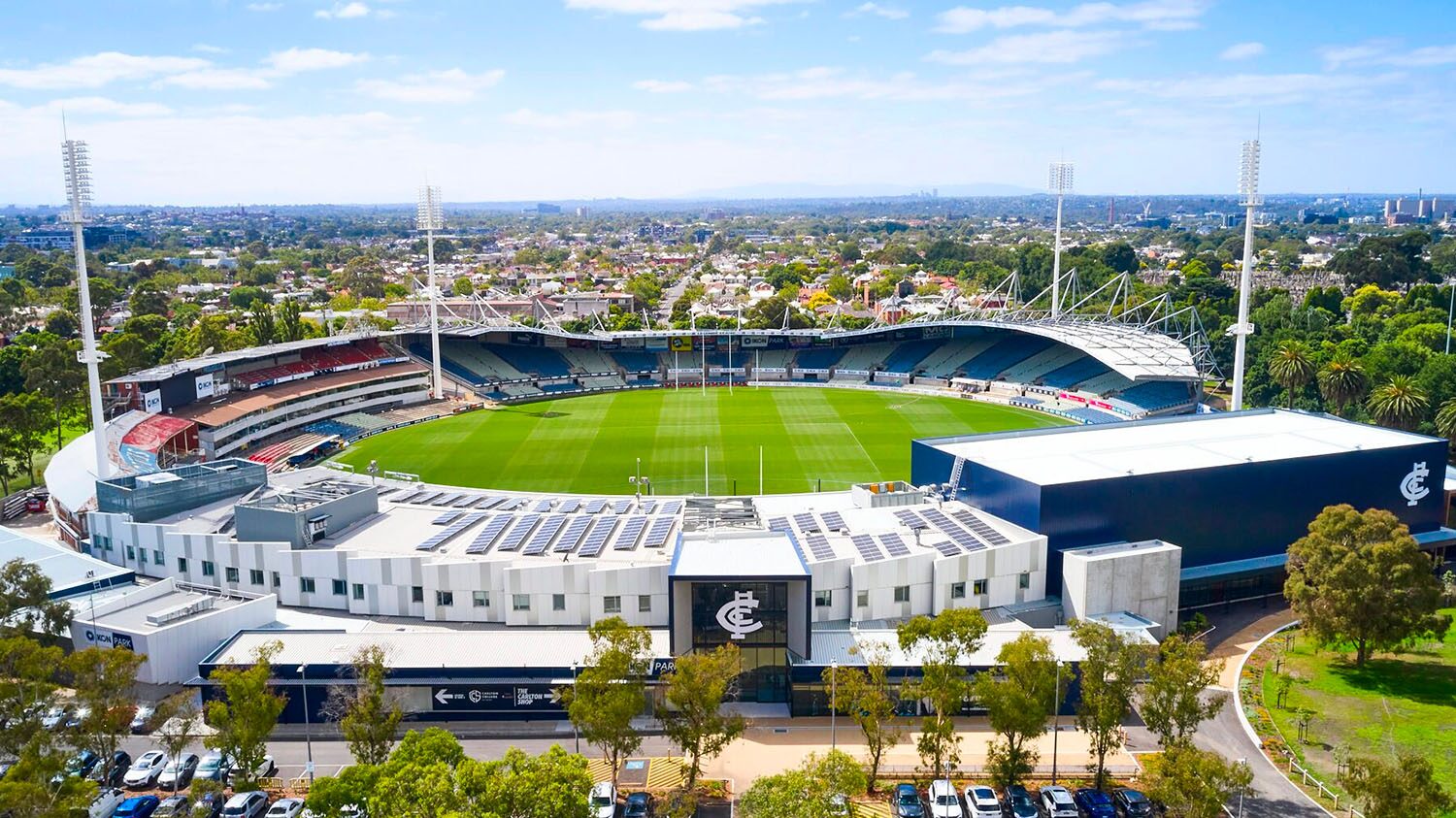
Ikon Park again plays a critical role. Its width rewards teams that can shift angles and spread opponents, a profile that aligns naturally with North Melbourne’s control-based approach. Brisbane, however, often improve defensively at this venue, particularly when the game becomes more direct or transition-heavy.
Forecasted showers could alter the match dramatically. Wet conditions tend to compress ball movement, giving contested teams greater influence. Earlier this year, in similar weather, Brisbane lifted their tackle count significantly during second-half surges — a sign that conditions may tilt the match back toward their strengths.
Player indicators remain central to determining momentum.
Jasmine Garner continues to set the tone in contested chains, while Ash Riddell drives territory through clearances and disposal efficiency — two core pillars of North Melbourne AFLW stats. Blaithin Bogue provides emerging versatility, adding first-time Grand Final pressure and speed around the ball.
Brisbane’s impact moments often stem from Courtney Hodder’s pressure-driven scoring involvement, Jennifer Dunne’s intercept reading and Neasa Dooley’s fast development as a one-on-one defender. These roles tend to amplify on larger grounds, where defensive decision-making becomes more influential.
Tactical Flow and Predictive Indicators for the 2025 Grand Final

Both teams enter with sharpened tactical identities shaped by two seasons of rivalry adjustments. North Melbourne rely on controlled transitions, clean possession chains and a defensive press that closes space quickly. When they dictate the tempo through uncontested marks, the match often settles into their preferred rhythm.
Brisbane need to disrupt that rhythm. Their best sequences arise from turnovers, surge running and pressure chains that convert opponent mistakes into scoring chances. If they can unsettle North’s ball movement early, the match can swing quickly.
The predictive model draws from several layers:
• Venue performance across the last three seasons
• Updated scoring trends against top-four teams
• Player impact ratings from the final month
• Head-to-head trends across the past ten quarters
• Expected effect of weather on contested ball
North Melbourne hold a measured statistical advantage due to territory control and clearance reliability. Brisbane narrow the gap significantly when early pressure forces turnovers inside North’s defensive half. Based on current trends, the projection places North Melbourne ahead by 7–16 points, influenced strongly by repeat entries and scoreboard efficiency.
Conclusion — Rivalry, Momentum and AFLW Grand Final Stats Shape the Final Chapter

As the 2025 AFLW Grand Final nears, the trilogy between North Melbourne and Brisbane captures how modern football now leans heavily on data and trend analysis. The differences in their styles — one led by structure, the other by pressure — continue to surface in AFLW Grand Final stats, offering a clearer view of how this latest chapter may unfold. Whether history leans toward North’s pursuit of consecutive premierships or Brisbane’s capacity to disrupt, the numbers suggest a contest shaped by adjustments, character and the shifting rhythm of a rivalry three years in the making.
FAQs
About the Author