
If you’re an Aussie gamer who loves looking at cricket like a real-time strategy title — where conditions, cooldowns, synergy and resource management decide outcomes — then this IND SA 1st ODI Preview will feel strangely familiar. India enter the match with a disrupted team composition, a shaky mid-game, and a captain who must optimise every phase under pressure. South Africa, meanwhile, walk into Ranchi with an S-tier squad that’s already proven its dominance in the red-ball patch. Add Ranchi’s unpredictable dew mechanics, a pitch with perfectly balanced stats, and a middle-order matchup that resembles a clash of contrasting playstyles, and you get an ODI that feels less like a bilateral opener and more like a high-stakes esports final.
Early-Game Phase: India’s Top Order Must Survive the First Burst -IND SA 1st ODI Preview

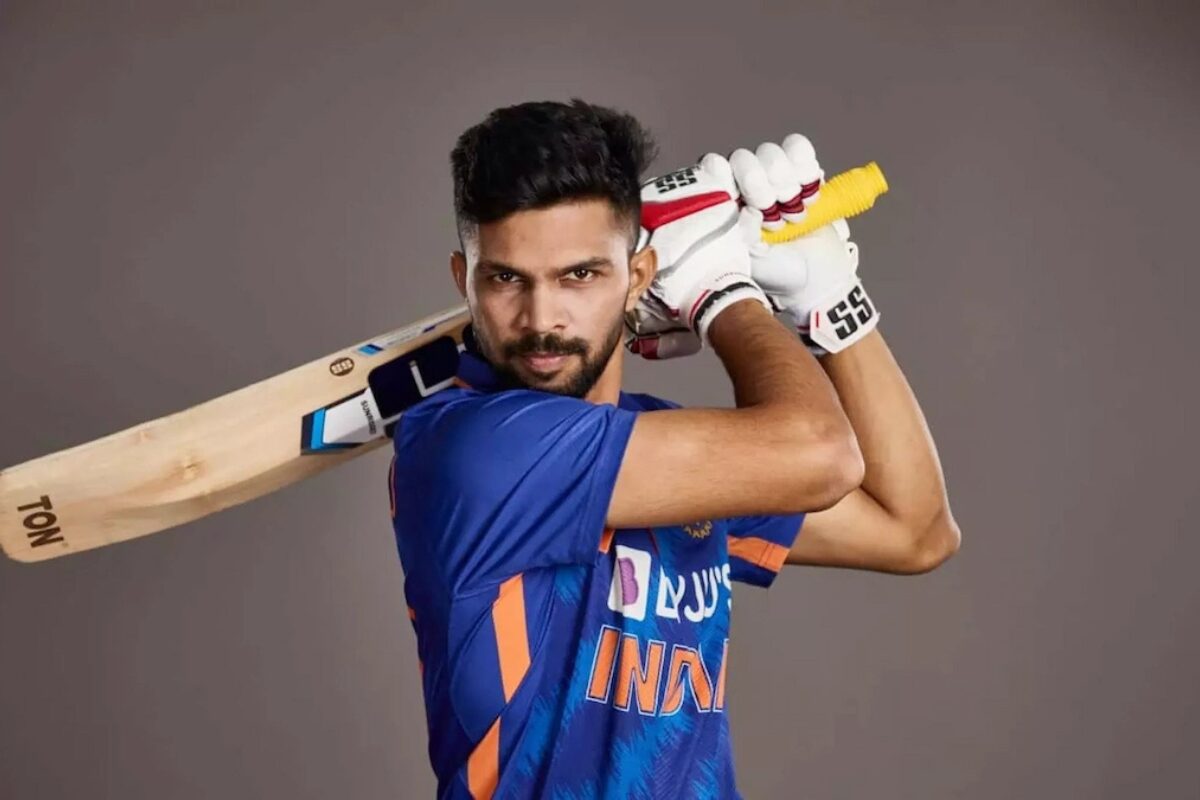
Every competitive game has an early-game spike character — and for South Africa, that’s Nandre Burger. His raw aggression in the first five overs mirrors a high-mobility, high-damage opener who forces defensive reactions immediately. Ngidi complements him as the accuracy-based control character, tightening angles and reducing India’s scoring freedom. India counter with Rohit Sharma — a classic stabiliser — and Jaiswal, the unpredictable early aggressor. ESPN’s preview emphasises India’s vulnerability when losing early wickets. If the top order falls before stabilising, the entire game state tilts heavily toward South Africa. The first powerplay is where India must avoid snowballing pressure.
Mid-Game Synergy: Kohli, Rahul, Jadeja — India’s Control Trio (IND SA 1st ODI Preview)
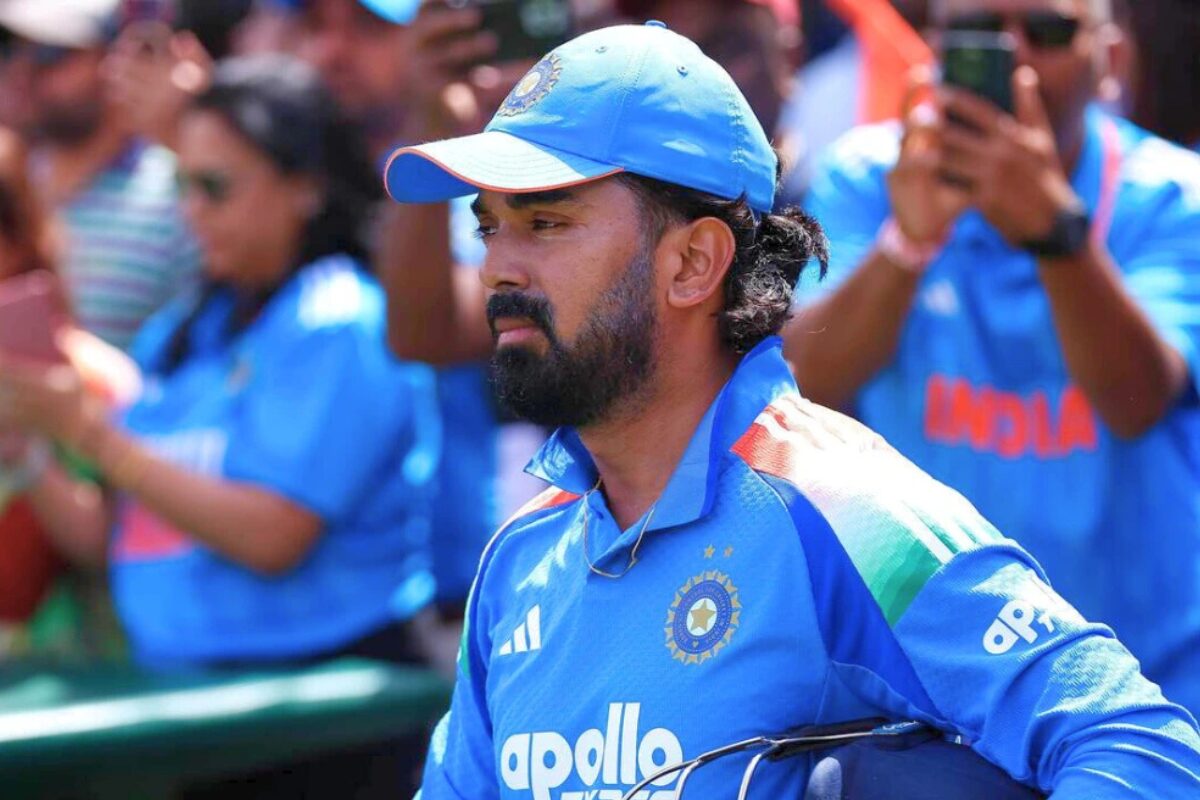
In any strategy title, some phases require composure rather than aggression. India’s mid-game relies on Kohli’s ability to rotate strike, Rahul’s ability to rebuild under stress, and Jadeja’s dual-role flexibility. Cricbuzz highlights how India’s middle overs tend to collapse when these three aren’t aligned. Kohli must anchor vs Maharaj, who plays the cooldown-denying role by squeezing tempo and forcing risk shots. Rahul needs to manage direction and ensure India don’t lose initiative. Jadeja floats between roles — damage dealer, tank, and support — depending on how the innings unfolds. India win the mid-game only through synergy.
South Africa’s Win Condition: Brevis + Jansen Late-Game Spike :IND SA 1st ODI Preview
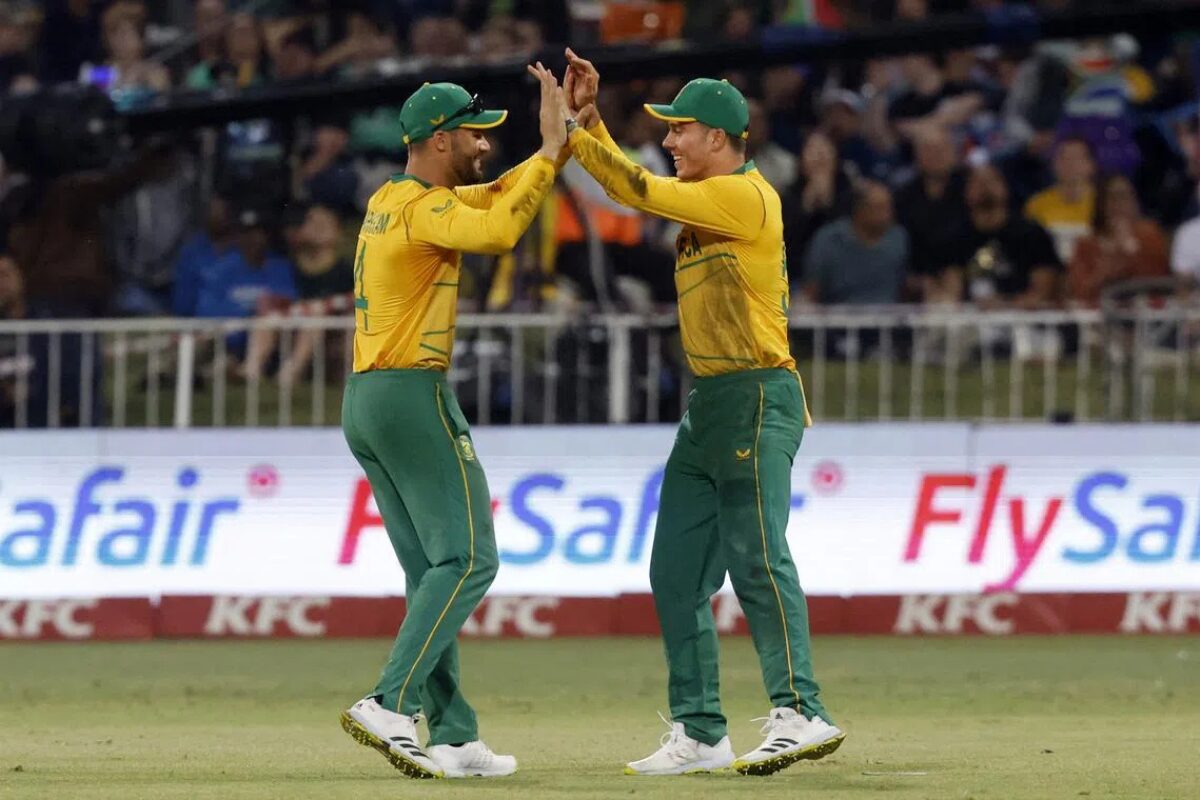
Where India play through stability, South Africa play through momentum spikes. Dew helps them immensely, allowing Brevis to unleash his range of boundary options late in the innings. ESPN reports he thrives when bowlers lose grip, turning difficult strokes into low-risk scoring zones. Marco Jansen, meanwhile, becomes the late-game boss character: bounce, angle, cutter variations, and lower-order hitting. India Today notes he has flipped at least three ODIs this year through his dual impact. If South Africa enter overs 40–50 with wickets in hand, they can create a run-rate explosion that changes the equation completely.
Resource Management: India’s Bowling Unit Lacks Premium Ultimates
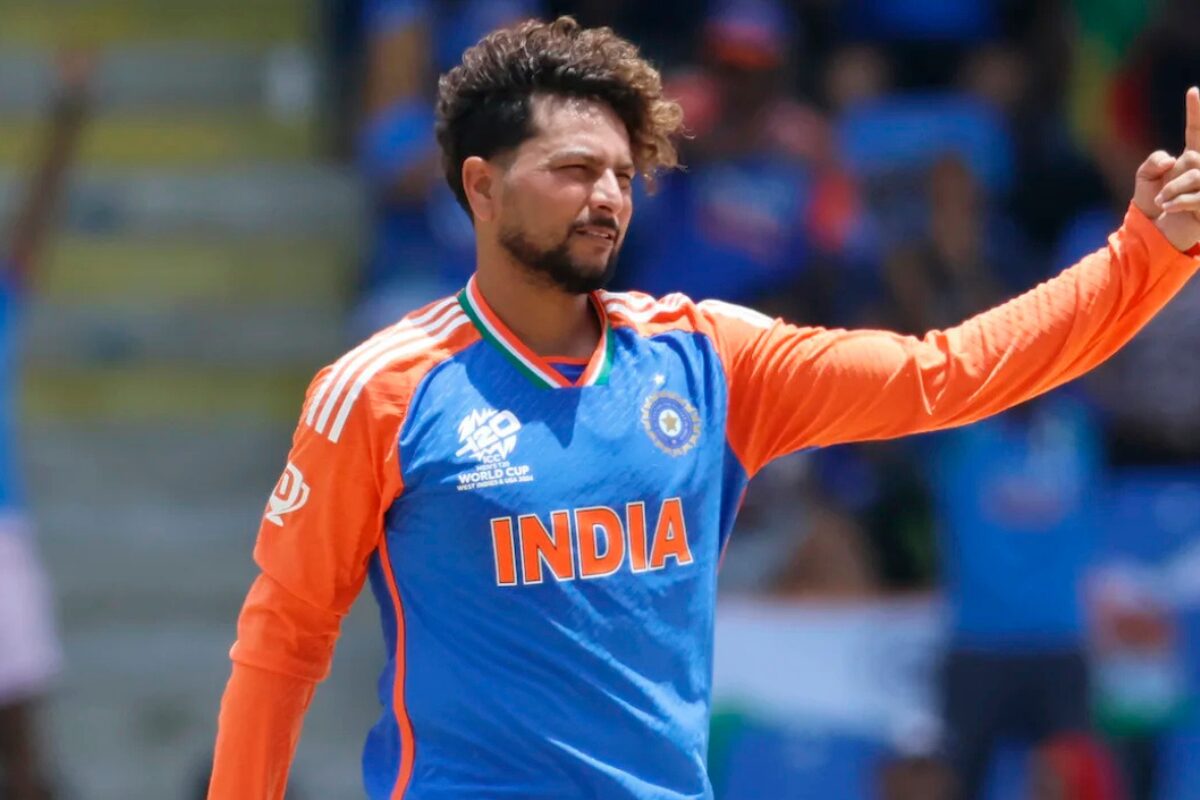
In gaming terms, India are missing their strongest ultimates: Bumrah and Siraj. Their absence leaves the team with solid but not game-breaking abilities. Arshdeep brings swing but struggles in the death. Prasidh can take wickets but leaks runs. Harshit Rana offers pace but not experience. Kuldeep is India’s primary win-condition in the middle overs — the only true strike option who can change the game state with one impactful spell. Jadeja offers defensive utility, but dew makes him less effective. If India overuse their premier spells early, they’ll enter the death overs exposed.
The Dew Mechanic: A Late-Game Buff That Changes the Meta
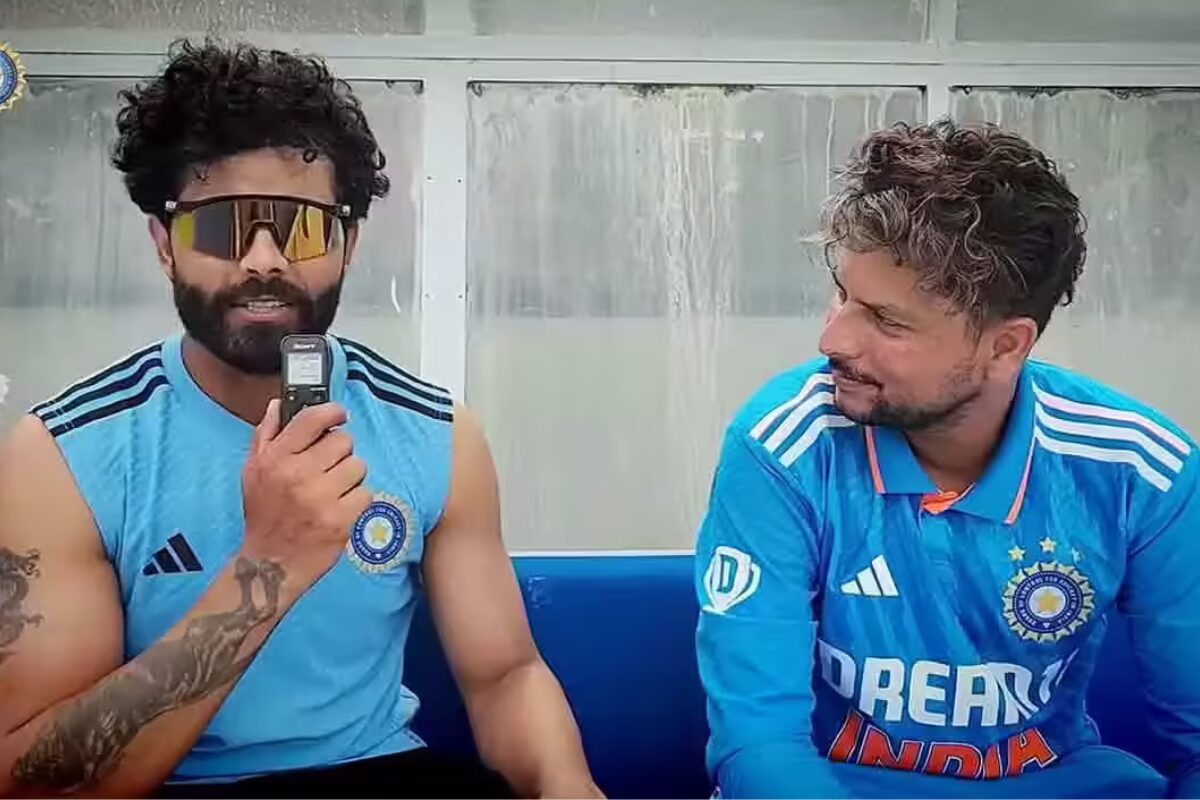
Dew in Ranchi functions like a map-wide late-game buff for chasing teams. KL Rahul admitted this openly, and all major previews agree: dew makes batting significantly easier, reduces the effectiveness of spin, and almost eliminates two-way seam movement. Batting second becomes a sizable advantage. Bowlers struggle to grip the ball, slower balls don’t grip, and run rates inflate. As any gamer knows, when one phase of the map offers a natural buff, teams must plan specifically for that window. South Africa’s 4-seamer template is built for this. India’s 3-seamer + 2-spinner combination must front-load impact.
Table: Strategy Breakdown – IND vs SA 1st ODI
| Strategic Element | India | South Africa |
|---|---|---|
| Early Game | Stabilise vs Burger–Ngidi burst | Attack with pace |
| Mid Game | Kohli–Rahul–Jadeja control | Bavuma–Markram anchor |
| Late Game | Weak death bowling | Jansen + Brevis spike |
| Spin Phase | Kuldeep must strike early | Maharaj maintains control |
| Meta Factor | Dew hurts spin | Dew strengthens pace |
When viewed through a tactical lens, the IND SA 1st ODI shapes into a match defined by timing, phase control, and adaptation. India must survive the early burst, stabilise the mid-phase, and find creative solutions without their premium death bowlers. South Africa need only execute their blueprint: pace early, anchors in the middle, and Brevis–Jansen fireworks late. Ranchi’s dew becomes the final mechanic that could tilt the entire match toward the chasing side. For fans who break down cricket the way they break down their favourite games, this ODI has all the makings of a meta-defining contest.
FAQ Section
About the Author