
The Rory McIlroy Melbourne return carried emotional weight, but the real story sat in the tactical layers of his first competitive round on Australian soil in a decade. Royal Melbourne remains a course that doesn’t just reward good swings—it demands the correct swing at the correct time, shaped by weather patterns, ground firmness, and the angles of approach. For McIlroy, this return became a reintroduction to a venue that requires clarity of thought as much as technical skill.
From the moment he stepped to the 10th tee, the round became a study of intention versus reality—a player with global mastery meeting a course known for exposing even the subtle miscalculations.
Crowd Influence, Rhythm Disruption and Early-Round Decision Patterns
The opening stretch offered a tactical subplot rarely discussed: how crowd movement affects decision timing. With more than 2,000 fans entering before sunrise and galleries stacking instantly around the opening holes, McIlroy encountered an environment more like a Sunday major than a Thursday start. His pacing between shots, alignment routines and pre-shot windows shifted under the weight of the audience.
Crowd Dynamics Table
| Tactical Factor | Impact on McIlroy |
|---|---|
| Early gate opening | Limited warm-up privacy, increased pace pressure |
| Four-deep galleries | Restricted movement, altered sightlines on tee boxes |
| Crowd noise waves | Forced pauses before addressing the ball |
| Partner reactions | Min Woo Lee: “Biggest crowd I’ve ever played in front of.” |
These factors influenced not only tempo but club selection. On several holes, he took additional seconds to wait for sound to settle—subtle delays that disrupt rhythm on a course where precision of feel is paramount.
Adam Scott benefitted from a similar atmosphere, thriving with a composed -2 start. McIlroy, by contrast, needed several holes to recalibrate.
Wind Patterns, Ground Firmness and the Unpredictable Geometry of Royal Melbourne – Rory McIlroy Melbourne return
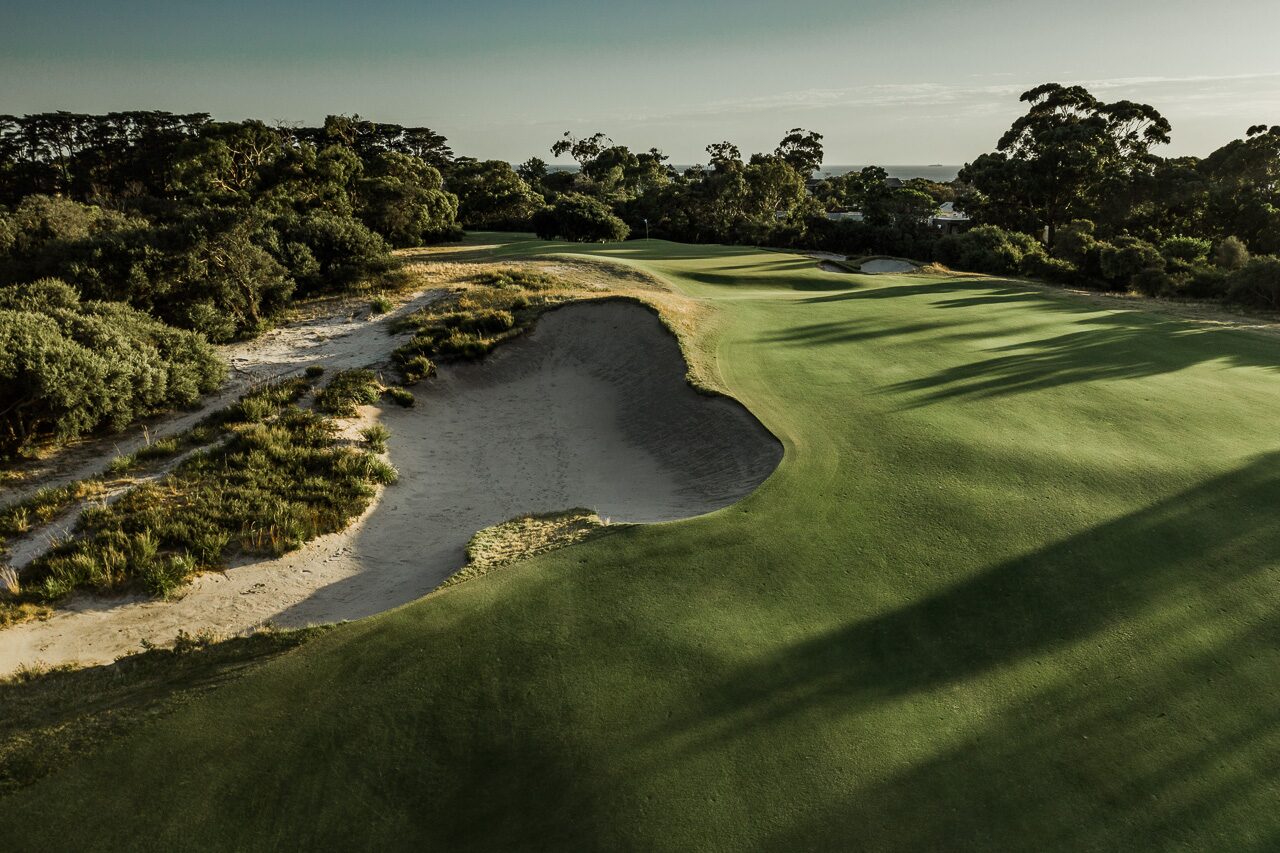
Royal Melbourne’s defence system is built on geometry—angles, firmness, and the wind’s ability to blur both. On this day, a harsh northerly crosswind forced McIlroy into conservative targets, often away from traditional pin-seeking lines. Early in the round, he battled:
- Wind-induced ballooning on approach shots
- Low-spin trajectories that ran unexpectedly long
- Greens that reacted differently depending on the height of entry
Add to that his mid-round antihistamine moment—a brief but real disruption to focus and perception—after waking at 4am due to his established pre-competition routine.
Examples of the course altering his decision-making:
- On par-4 approaches, he shifted to lower-flight windows to counter gusts
- On tee shots, he avoided certain bunkers entirely, even if it meant longer birdie tries
- Around greens, he rejected lofted shots in favour of bump-and-run calculations
Adam Scott later called the winds “some of the most challenging ever seen here.” McIlroy echoed that sentiment, noting the greens would’ve been “unplayable” with even one degree more firmness.
This round wasn’t lost to the wind—it was shaped by it.
The Functional Breakdown of His +1 (72): Birdie Windows, Risk Tolerance and Course Psychology

McIlroy’s +1 wasn’t linear. It was tactical oscillation. A birdie on the 10th showed an early attack mindset, but short misses on 11 and 12 shifted him into risk-controlled mode. His five birdies and six bogeys reflected a player toggling between aggression and caution depending on hole design and wind direction.
A key influence came from his pre-tournament comment—his preference for Kingston Heath over Royal Melbourne. Fans let him hear it subtly, and while he didn’t appear rattled, the murmurs added a psychological variable on delicate putts and tight lies.
Tactical snapshots from the round:
- He avoided right-side pin positions when wind pushed shots left-to-right
- Long-iron approaches were intentionally under-flushed to avoid over-spinning
- Off-the-tee decisions skewed towards containment rather than dominance
Royal Melbourne rewarded smart misses and punished indecision. McIlroy’s round displayed both, sometimes within minutes of each other.
The Rory Effect: Tournament Structure, Field Dynamics and Australia’s Golfing Ecosystem – Rory McIlroy Melbourne return
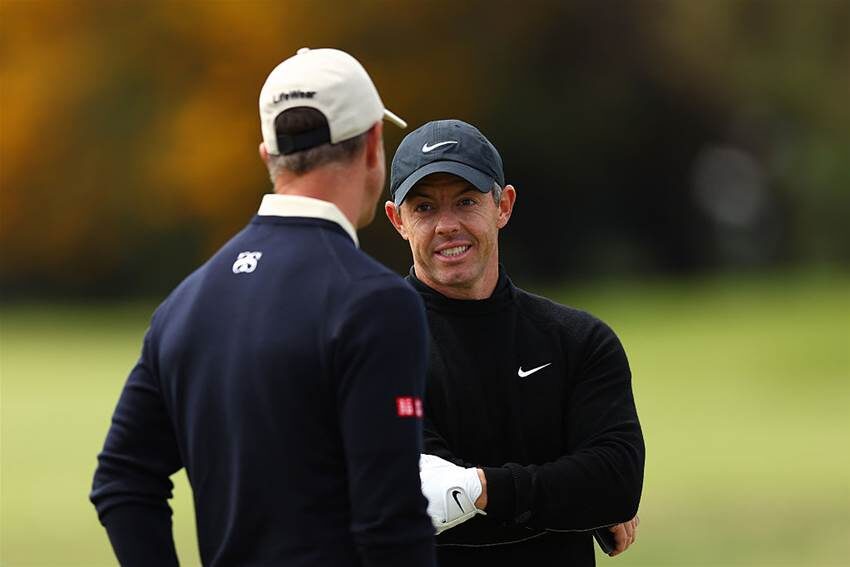
Beyond the round itself, McIlroy’s return produced tangible structural impacts. Field strength rose with the addition of Si Woo Kim, Ryan Fox and Nicolai Højgaard—players unwilling to bypass an event suddenly recharged by one presence. Sponsors engaged. Weekend tickets sold out. Broadcast windows widened.
From a tactical ecosystem view:
- His presence stabilised the event’s global relevance
- Younger players like Min Woo Lee benefitted from elevated crowd pressure reps
- Established players like Adam Scott used the environment to sharpen competitive edges
- Social media impact from his “five courses in one day” challenge broadened audience reach
Australia’s golf environment is already shifting—LIV Adelaide crowds, the rise of simulator golf, and renewed youth engagement. McIlroy’s return aligned perfectly with a moment of upward trajectory.
The Rory McIlroy Melbourne return functioned as both catalyst and amplifier.
Conclusion: A Tactical Examination of a Return That Became Bigger Than Score – Rory McIlroy Melbourne return
McIlroy’s day wasn’t defined by the number beside his name. It was defined by the chess match between player and sandbelt—wind patterns, crowd density, decision timing, shot geometry and the psychological undertones of a long-awaited comeback. Melbourne responded with intensity, and Royal Melbourne defended with sophistication.
The result was a round that offered analysts far more than fans might have realised: a study in adaptation, precision, and course-induced creativity.
The Rory McIlroy Melbourne return was more than a beginning—it was a blueprint for how the next three days might unfold if he navigates the details with sharper tactical clarity.
FAQs
About the Author