
The Perth Scorchers vs Sydney Sixers Qualifier was as much a battle against the elements as it was against the opposition. With ambient temperatures hitting 40°C, the Optus Stadium pitch presented a “skiddy” and “seam-friendly” profile that favored high-velocity impact over traditional swing. The Scorchers, finishing atop the BBL standings, entered with a selection policy built around local horizontal-bat conditions, whereas the Sixers leaned on a revamped, star-heavy top order.
Strategically, the match was decided by Perth’s ability to exploit the “Furnace” micro-climate. The surface retained heat, ensuring the ball held its hardness longer, which played directly into the hands of Perth’s pace battery. The Sixers’ tactical error lay in their interpretation of the par score; while 147 appeared low, the environmental factors made it play like 170, a miscalculation that led to a frantic and ultimately failed chase.
Powerplay Mechanics: Allen’s Geometric Dominance – Perth Scorchers vs Sydney Sixers
Perth’s offensive strategy focused on front-loading the aggression through Finn Allen. His innings was a study in high-risk, high-reward hitting, specifically targeting the shorter square boundaries. Allen’s 49 off 30 balls wasn’t just brute force; it was a calculated assault on the Sixers’ lengths. By breaking the BBL 2026 record for season sixes (37), he forced the Sixers to abandon their preferred back-of-a-length defensive lines.
| Tactical Metric | Player / Team | Data Outcome |
|---|---|---|
| Strike Rate (PP) | Finn Allen | 163.33 (Set the early tempo) |
| Dot Ball % | Sixers Attack | 42% (Crucial middle-over squeeze) |
| Average Velocity | Mahli Beardman | 141.2 kph (Match-winning pace) |
| Final Total | Perth Scorchers | 147/9 (Defended through discipline) |
Despite Allen’s blitz, the Sixers executed a disciplined “Middle-Order Squeeze.” Mitchell Starc utilized his historical data against Mitchell Marsh to remove him for 5, while Jack Edwards and Dwarshuis used cross-seam deliveries to stifle the Scorchers’ reshuffled middle order. This period of play saw the BBL live score plummet in projected value, as Cooper Connolly (No. 5) struggled to find timing against a ball that was no longer coming onto the bat.
The Analytical Collapse: Sixers’ Execution Errors – Perth Scorchers vs Sydney Sixers
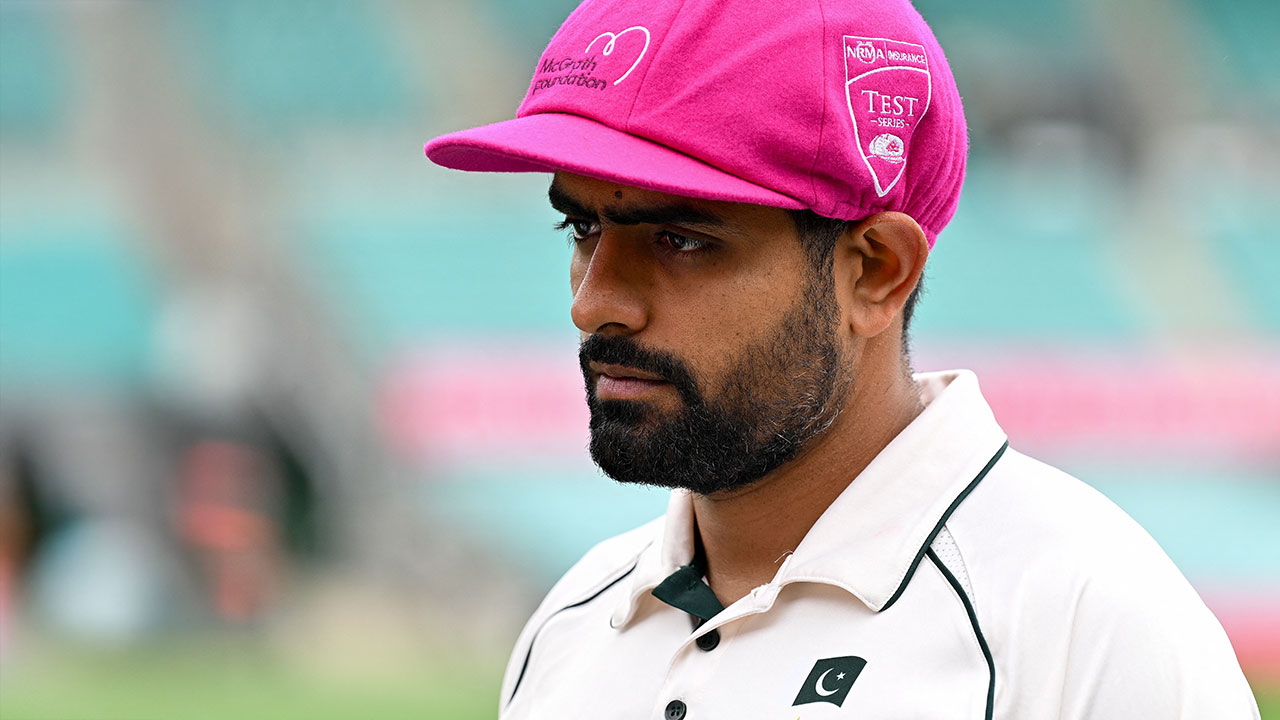
The Sydney Sixers’ pursuit was a textbook example of “procession-style” failure, where individual aggression bypassed collective stability. The tactical blunder began with Babar Azam’s second-ball exit—a rare technical lapse where he was stumped off Connolly. This left the Sixers at 23/3, forcing Steven Smith BBL fans to witness a solitary rescue mission that lacked a supporting anchor at the other end.
The turning point was not just the wickets, but the “comical” lack of situational awareness. Sean Abbott’s run-out, caused by his bat plugging into the dry turf, highlighted a team playing under extreme physical and mental fatigue. While Smith attempted to counter-attack Brody Couch with elite footwork and a first-ball six, the lack of a secondary “strike-rotator” meant the required run rate climbed beyond the threshold of a safe T20 chase.
Vanguard Analytics: Beardman vs. Smith Matchup

The most significant data point of the match was the spell of 20-year-old Mahli Beardman. Analytically, his selection was justified by his ability to maintain 140kph+ speeds in 40°C heat—a feat of endurance that rattled the Sixers’ veterans. Beardman’s match-defining scalp of Steve Smith was the result of a specific tactical setup: a series of full deliveries followed by a high-velocity short ball at 139kph.
- Short-Ball Efficiency: Beardman used the bounce to force a 75% mistimed pull rate.
- Release Point: His high release point exploited the “extra zip” of the Optus deck.
- Psychological Pressure: The rookie’s hostility forced Smith into a rare high-risk aerial shot.
This battle between the “Veteran and the Vanguard” validated Beardman’s Australian T20 squad call-up. Mahli Beardman wickets vs Sydney Sixers 2026 stats reflect a bowler who understands the geometry of the “Furnace,” using pace not just for speed, but as a tool to disrupt the professional timing of international-caliber batsmen.
Captaincy Reflection: Turner vs. Henriques
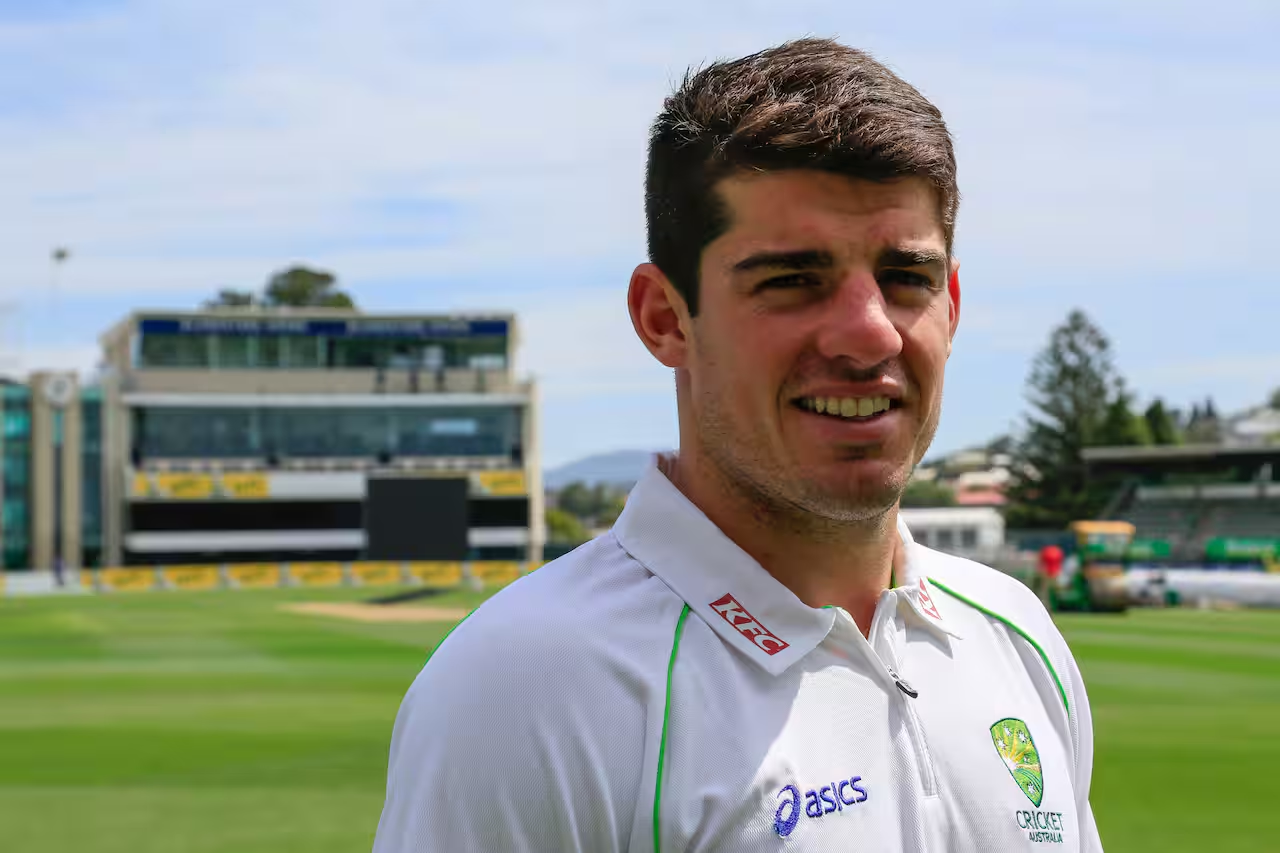
A comparison of captaincy styles during the Perth Scorchers vs Sydney Sixers clash reveals why Perth prevailed. Ashton Turner’s defense of 147 was a masterclass in field placement and bowling rotations. He correctly identified that the pitch favored skidding pace over spin, using his spinners only as defensive buffers while rotating his four-pronged pace attack in short, high-intensity bursts.
Conversely, Moises Henriques admitted the Sixers’ hierarchy failed to read the scoreboard pressure correctly. By trying to “win the game too quickly,” the Sixers ignored the statistical reality that a 7-runs-per-over chase on a tricky deck requires accumulation, not just boundaries. This lack of tactical patience, combined with the Scorchers’ fielding excellence, created a compounding pressure that the Sydney side could not dissipate.
Grand Final Projections: The Path to January 25
The Scorchers’ victory secures them hosting rights for the final on January 25, a massive statistical advantage given their 80%+ win rate at the “Furnace.” For local supporters, Perth Scorchers home final ticket information is now the priority, as the club prepares for its 9th BBL Final appearance. They have successfully earned the “second chance” immunity and a week of recovery from the grueling heat.
The Sixers must now analyze their failure and prepare for the Challenger at the SCG. While the Sydney Sixers vs Perth Scorchers head to head record remains the most storied in the BBL, the Sixers need to address their middle-order fragility before facing the winner of the Hurricanes and Stars. If they can find their tactical composure in Sydney, a rematch in the West remains a distinct possibility.
About the Author