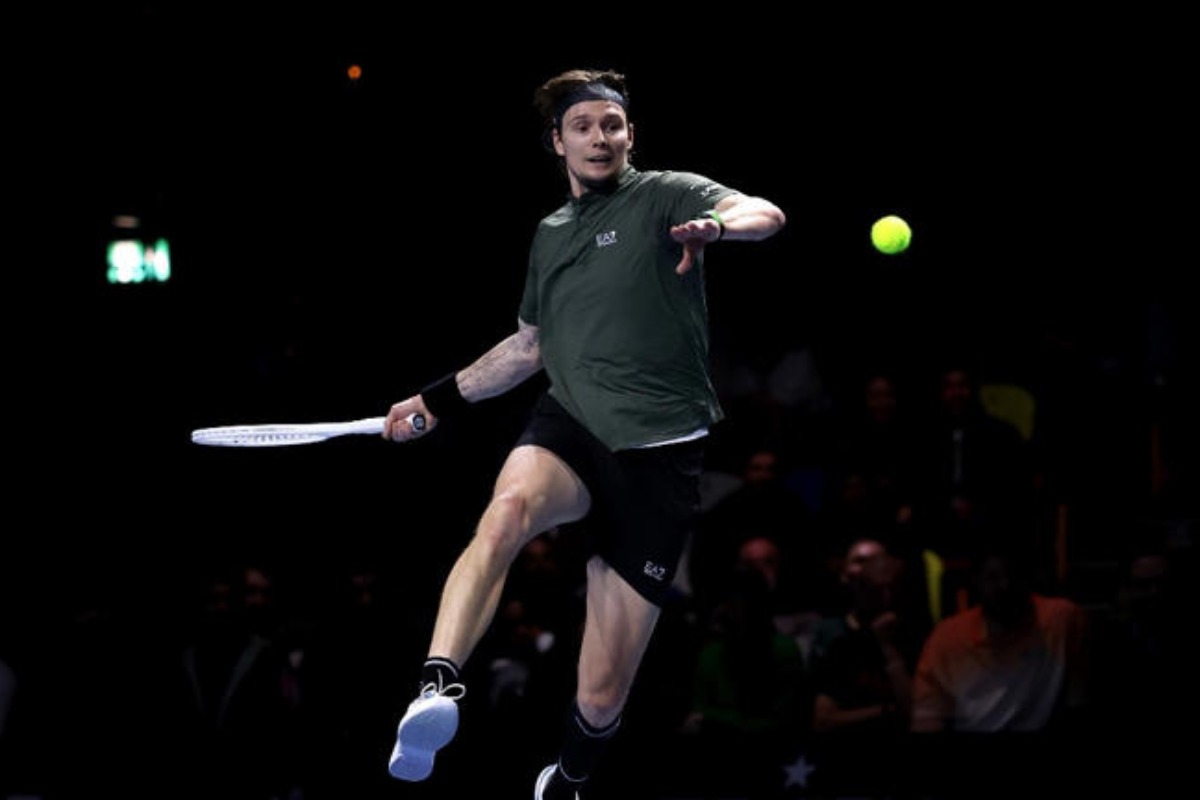
Alexander Bublik AO 2026 – The current campaign at Melbourne Park highlights a significant evolution in the technical approach of Alexander Bublik. Historically characterized by high-risk shot-making and mental volatility, the 2026 season has seen him adopt a more structured “Grand Slam” methodology. By prioritizing high-percentage service placements and showing a newfound patience in extended rallies, he has moved from being a “dark horse” to a legitimate Top 10 threat. This analytical shift is not just about the flashy winners that dominate social media, but about a deliberate commitment to point construction and physical durability that has allowed him to dismantle opponents with clinical efficiency.
Data-Driven Dominance: Alexander Bublik AO 2026 Metrics
A deep dive into the service data reveals why Bublik has become such a daunting prospect in the early rounds of the tournament. In his straight-sets victory over Tomas Martin Etcheverry, he recorded a staggering 90% success rate on first-serve points, utilizing a sophisticated mix of “T” serves and wide slices. Unlike previous years where he might over-rely on raw speed, his 2026 strategy focuses on “disguise” and “location,” making his delivery nearly impossible to read. This statistical cushion allows him to play more freely during return games, applying constant pressure on his opponent’s second serve.
| Tactical Performance Metric | Alexander Bublik (Tournament) | Alex de Minaur (Tournament) |
|---|---|---|
| First Serve Points Won | 89% | 77% |
| Aces Per Match | 21 | 6 |
| Net Points Won % | 78% | 71% |
| Average 1st Serve Velocity | 208 km/h | 192 km/h |
| Break Point Conversion | 52% | 43% |
Baseline Discipline and Strategic Variety
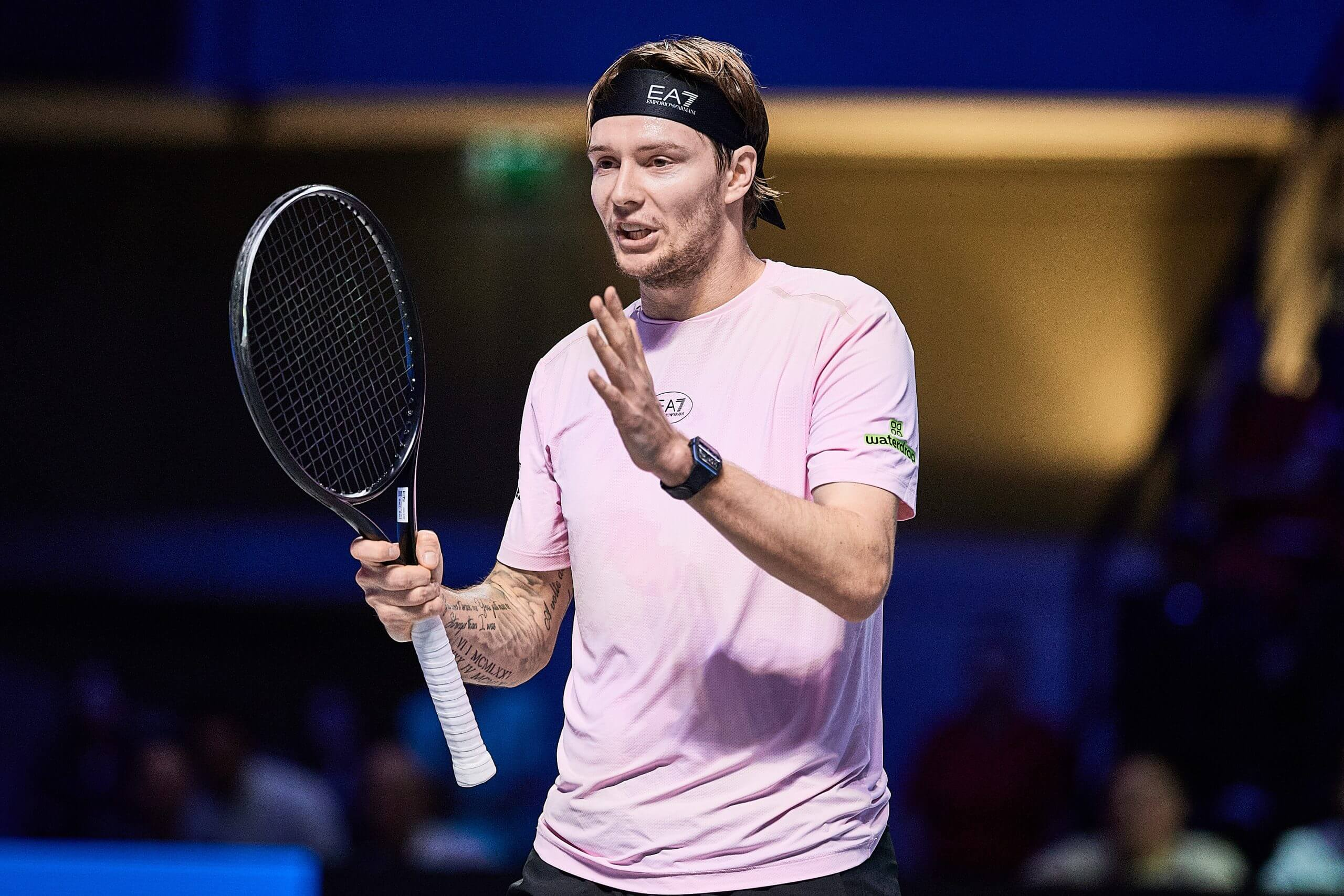
While the serve remains his primary weapon, Bublik’s baseline game has undergone a silent revolution. He is no longer just looking for the spectacular “rabona” or the 100mph forehand; instead, he is utilizing a low-skidding backhand slice to neutralize power hitters.
- Point Construction: In the third round, Bublik demonstrated a willingness to stay in 15+ shot rallies, out-grinding traditional baseline specialists.
- The “Drop-Shot” Trap: He has mastered the art of the deceptive drop shot, using it not as a desperation move, but to force counter-punchers into the net where they are less comfortable.
- Service Variety: Beyond the pace, his underarm serves are now timed to exploit deep return positions, a tactical move that mentally disrupts the opponent’s rhythm.
Deconstructing the Clash Against the Demon
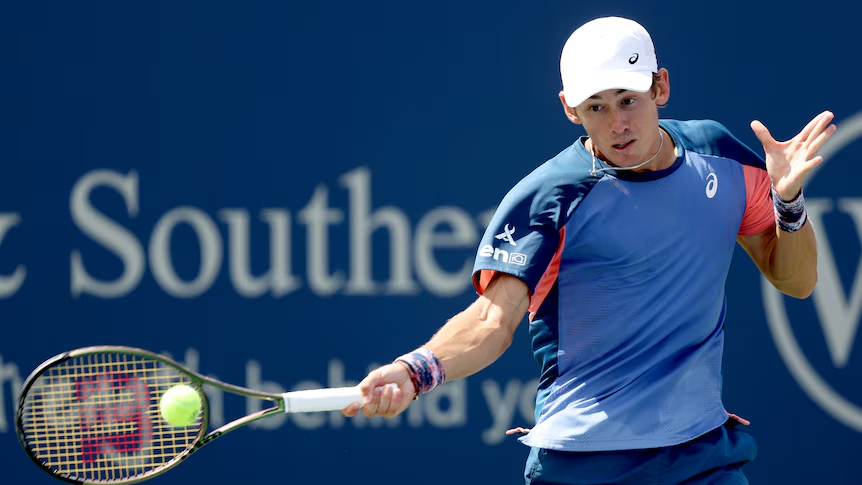
The fourth-round showdown against Alex de Minaur serves as the ultimate litmus test for the Alexander Bublik AO 2026 tactical blueprint. De Minaur is the tour’s premier defensive mover, thriving on long exchanges and forced errors. To succeed, Bublik must continue to “shorten the points,” utilizing his massive reach and net-game to take time away from the Australian. Analysts point to Bublik’s recent win over De Minaur in Paris as a template: high first-serve percentages coupled with aggressive “first-strike” tennis. If Bublik can maintain his 20+ ace average, he effectively removes the baseline hustle that makes De Minaur so dangerous.
Mental Resilience and the Second Week Grind
Success in the second week of a Grand Slam often comes down to psychological endurance as much as physical skill. Bublik has historically struggled with the partisan atmosphere of major arenas, but his 2026 form suggests a much calmer interior. He has learned to channel the energy of the crowd—even when it is rooting for a local hero like De Minaur—into focused aggression. By keeping his unforced error count low and his service games short, he conserves the mental energy required for the high-pressure tiebreaks that often decide matches at this level. The “Ring Master” is now showing he can handle the most hostile of stages with professional composure.
Conclusion: A New Blueprint for Grand Slam Success – Alexander Bublik AO 2026
Ultimately, the Alexander Bublik AO 2026 narrative is a study in professional evolution. By aligning his immense natural talent with a disciplined tactical framework, he has unlocked a level of consistency that was previously missing. The upcoming fourth-round match isn’t just a battle for a quarterfinal spot; it is the culmination of a year-long transformation from an entertainer to a champion. Whether he finds success through a barrage of aces or a masterclass in variety, one thing is certain: the tennis world is witnessing a version of Alexander Bublik that is finally ready to contend for the game’s biggest prizes.
About the Author