
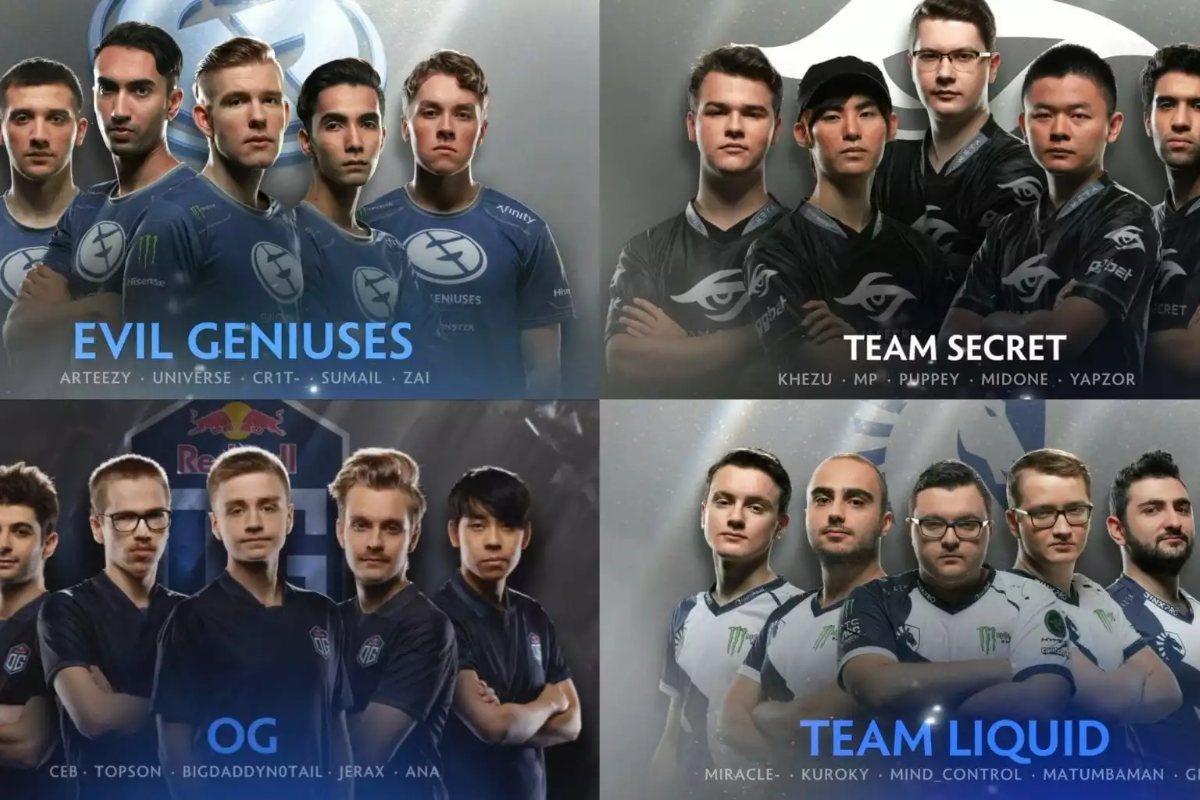
Dota 2 Roster Changes – The competitive Dota 2 circuit is currently weathering its most significant transition period in over half a decade. While the echo of the Aegis being hoisted at TI 2025 still lingers, the professional scene has already pivoted toward a future defined by radical change. We are witnessing a “Great Reset” where the barrier between established legends and hungry tier-two prospects is thinner than ever.
The Transfer Market: Notable Player Movements
The current Dota 2 roster changes have left several powerhouse organizations looking entirely unrecognizable compared to their 2025 iterations. The focus has shifted from “rebuilding” to “reimagining,” with teams prioritizing raw mechanical skill and flexibility over previous accolades.
Dota 2 Roster Transition Tracker
Player Profile: The End of the “Quinn” Era -Dota 2 Roster Changes

Perhaps the most jarring headline of the 2025-2026 transition is the retirement of Quinn “Quinn” Callahan. A cornerstone of North American excellence and a mid-lane titan for Gaimin Gladiators, Quinn’s departure creates a massive vacuum in the scene.
- Legacy: Known for unparalleled laning mechanics and a “never-say-die” attitude.
- Impact: His exit marks the potential decline of the “vocal leader” archetype, as teams move toward more democratic, system-based coaching.
- The Void: North American Dota is now desperately searching for a mid-laner who can match his consistency on the international stage.
Player Spotlight: The Rise of the New “Superteam” – Dota 2 Roster Changes

While veterans depart, the rumors of a new “Superteam” in Europe have reached a fever pitch. Analysts are closely watching Mikoto and JaCkky, two titans of the SEA region who are rumored to be the focal points of a new EU-based project. This cross-pollination of regions suggests that the 2026 season will be the most “borderless” year in esports history.
The Rookie Influx
It isn’t just about the household names. We are seeing a massive trend where organizations like MOUZ and Bleed Esports are bypassing expensive veterans in favor of “pub stars” from the high-MMR trenches. These players bring:
- Unconventional Hero Pools: Drafting against players who haven’t been “solved” by years of pro play is a nightmare for veteran captains.
- Aggressive Pace: The 2026 meta is trending toward high-risk, high-reward playstyles that these rookies thrive in.
Regional Transfer Status: A Global Update

The Dota 2 roster changes are playing out differently across the geographic sectors:
- China: A period of introspection. Many Chinese legends are considering “overseas tours,” which could see high-level Chinese talent appearing in Western European or even North American qualifiers.
- Southeast Asia: Volatility remains the name of the game. With Bleed and BOOM shuffling their decks, the region is looking for one stable “Apex Predator” to represent them consistently.
- Eastern Europe: With NAVI undergoing its largest reset since 2019, the region is ripe for a power shift. Team Spirit remains the benchmark, but the gap is closing as new stacks form around former NAVI and Virtus.pro bench-warmers.
Closing Thoughts for the 2026 Season – Dota 2 Roster Changes

As we look toward the upcoming DPC season, the narrative is no longer about who won yesterday, but who survives the chaos of today. The influx of youth, combined with the strategic migration of talent across borders, ensures that the first few Majors of 2026 will be a laboratory of new ideas. Whether you are mourning the retirement of icons or cheering for the next 13,000 MMR prodigy, one thing is certain: the Dota 2 we knew is gone, and what comes next is going to be faster, louder, and more unpredictable than ever.
About the Author