

Dota 2 Prize Evolution – When Dota 2 first entered the competitive arena, The International (TI) arrived like a thunderclap. Back in 2011, Valve shocked everyone by putting up a fully-funded $1.6M prize pool—a mind-boggling sum at the time. Na’Vi walked away as the first champions, and just like that, esports had a new benchmark. TI2 repeated that same $1.6M pool in 2012, with Invictus Gaming taking the trophy. Those early years weren’t just about crowning winners, though. They sent a clear message: Valve was serious, a publisher could bypass traditional sponsors, and the stage was being set for something fans would eventually shape with their own wallets.
The Crowdfunding Boom Years (2013–2021)
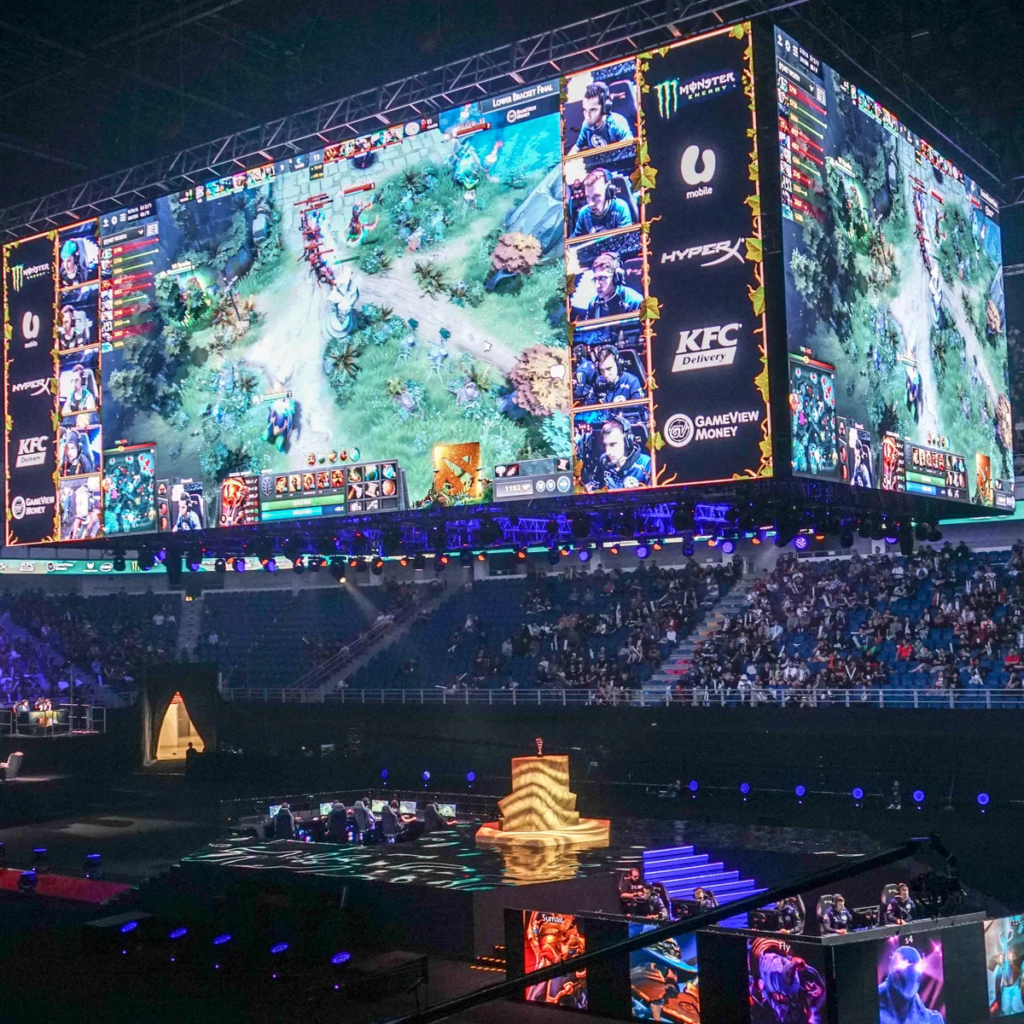
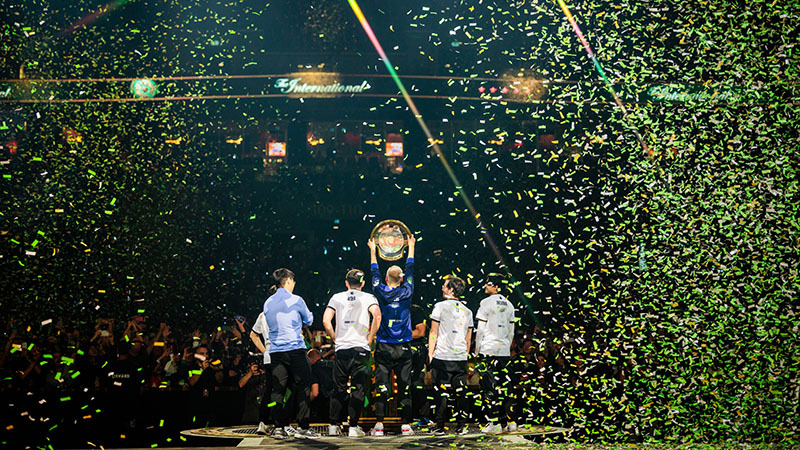
Then came the game-changer. At TI3 in 2013, Valve introduced the Compendium—a digital battle pass that let fans buy cool in-game cosmetics while directly pumping money into the prize pool. The result? A leap to $2.87M, and suddenly everyone realized the community could push esports prizing into outer space. By TI4, the system was humming along at full volume, smashing through $10.92M. What followed was a glorious run of year-over-year growth. TI5 delivered the iconic “$6 Million Echo Slam” from Evil Geniuses. TI6 saw Wings Gaming come out of nowhere. TI7 gave us Team Liquid’s legendary lower-bracket grind. TI8 and TI9 belonged to OG, making history as back-to-back champions. And then TI10 dropped the hammer: $40.02M, the largest esports prize pool ever, with Team Spirit lifting the Aegis. The formula felt unstoppable—great cosmetics plus a passionate fanbase equaled esports gold.
The Shift and Slowdown (2022–2024) – Dota 2 Prize Evolution
But nothing grows forever. TI11 in 2022 fell to $18.93M—still huge by any normal measure, but a clear signal that the party was winding down. Then came the real shocks. TI12 plummeted to $3.17M after Valve scrapped the Dota Pro Circuit and moved away from the old Battle Pass system. TI13 sank even further to $2.60M, the smallest pool since 2013. Fans felt the shift. The excitement of unlocking stretch goals and watching the prize counter climb just wasn’t there anymore. People started grumbling about Valve’s priorities—why focus on updates like Crownfall while TI’s prize money shriveled? Meanwhile, third-party events like the Riyadh Masters ($15M in 2023) began flexing serious financial muscle, something only TI used to do.
Where TI14 Stands Today (2025)
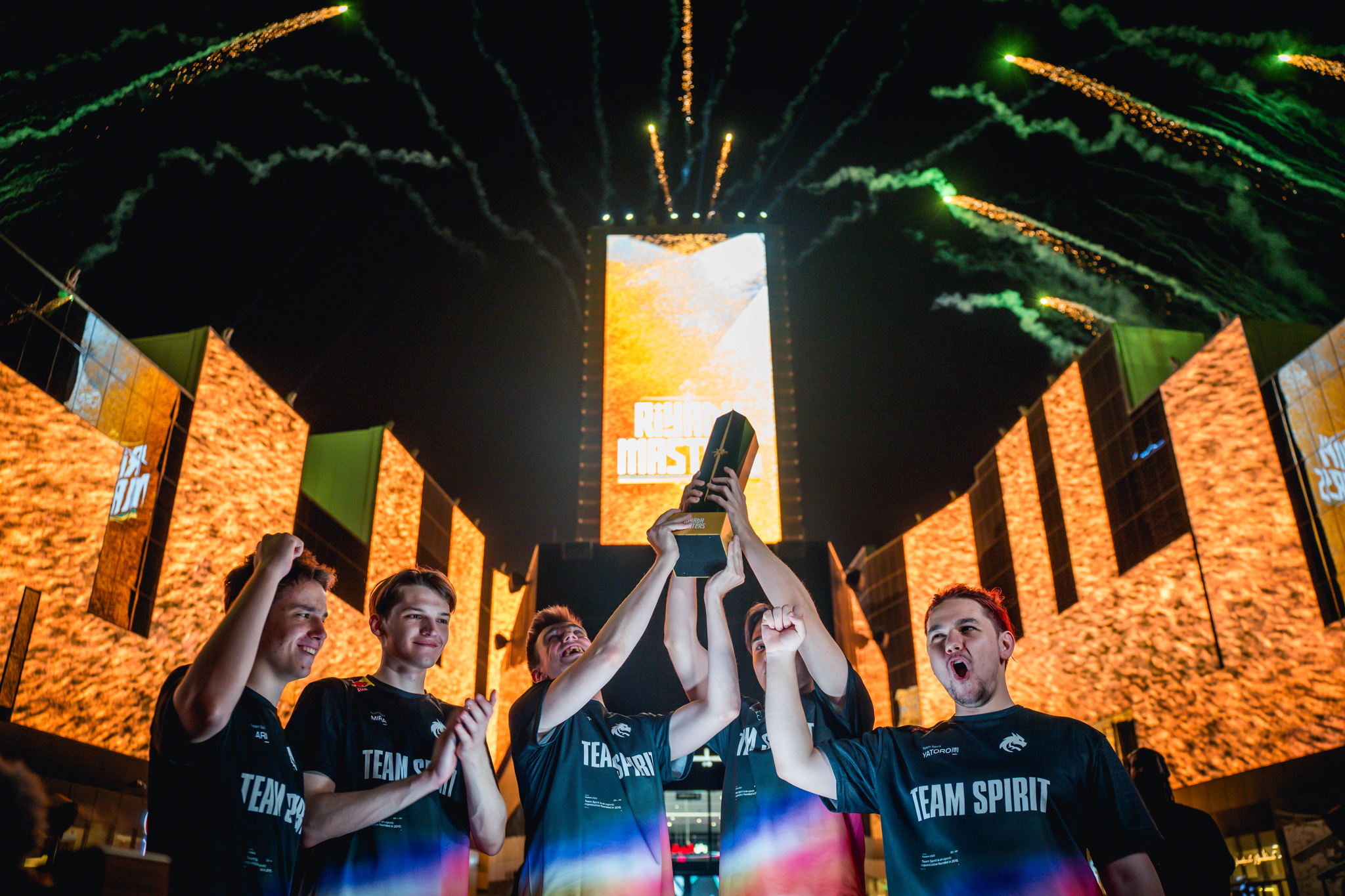
Fast forward to TI14 in Hamburg, and the atmosphere is more grounded. The base pool is back at that familiar $1.6M, and realistic projections suggest a final number somewhere between $2.5M and $3M—unless Valve surprises everyone with a new monetization twist. What does that mean for the bigger esports picture? Well, TI is no longer the automatic king of prize money. The Riyadh Masters and even Fortnite’s 2019 World Cup ($15M) have matched or surpassed its numbers. But here’s the thing: prestige isn’t measured in dollars alone. Lifting the Aegis of Champions still carries a legacy that no other trophy can touch. Players will tell you that. Fans feel it. Some things money just can’t buy.
What Drove the Rise and What Comes Next – Dota 2 Prize Evolution
So why did TI’s prize pool explode and then level off? The rise came from Valve’s clever crowdfunding experiments and a fanbase that genuinely wanted to support the game while snagging cool cosmetics. TI became the ultimate test of Dota skill, and people opened their wallets accordingly. The fall? Valve pivoted away from prize-driven monetization, the Dota Pro Circuit ended, and bigger external events started competing for the spotlight. Still, looking back, over $230M has been crowdfunded across all TIs—a staggering achievement. Going forward, don’t expect another $40M spectacle. A Battle Pass revival could spark something, but Valve seems focused on gameplay-first updates now. That might actually be healthier for the scene: stable team finances, less reliance on one tournament, and TI valued for its legacy rather than just its paycheck. And honestly? That’s not a bad trade.
Dota 2 Prize Evolution
Q1: Which team earned the single biggest prize check in TI history? ▼
Q2: Which team has won The International twice in a row? ▼
Q3: When did The International’s prize pools start declining? ▼
Q4: Why did TI12 in 2023 have such a low prize pool? ▼
Q5: How low did TI13’s prize pool fall? ▼
About the Author


