

The SEA Dota2 Player Interviews series isn’t just a string of casual Q&As — it’s a structured storytelling platform designed to capture the voices, emotions, and experiences that define Southeast Asia’s competitive Dota 2 scene. The region is known for producing some of the most passionate and resilient players, from veterans like Mushi and Jabz to rising talents such as Mikoto and Whitemon. This explainer unpacks the format and purpose of these interviews, giving readers a behind-the-scenes look at how they’re built, what they focus on, and why they matter to both fans and the SEA esports ecosystem.
Quick Look
The Core Format – SEA Dota2 Player Interviews
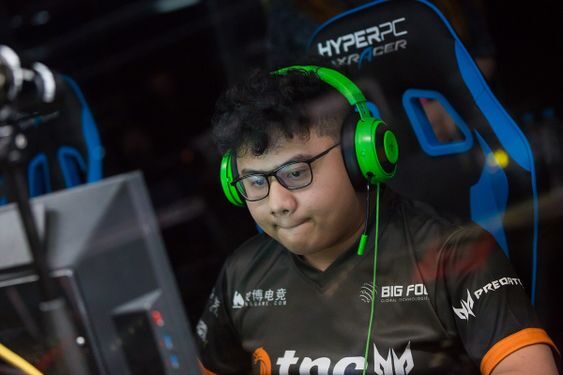
Each interview in the series follows a consistent yet flexible structure that allows players to express both their personal side and professional insight. The general flow usually includes:
- Introduction & Background: A short recap of the player’s career and team history to set the tone.
- Competitive Insights: Discussions about current metas, strategies, or recent tournament performances.
- Personal Reflections: Emotional or motivational takeaways — for instance, how they handle defeat or stay focused between events.
- Closing Thoughts: The player’s message to fans, teammates, or the wider SEA community.
For example, when a player like Armel discusses his journey, the tone might emphasize growth and adaptation, while someone like Mushi may reflect on leadership and mentoring the next generation. This structure ensures consistency while letting each voice shine in its own way.
Storytelling Techniques that Drive the Format – SEA Dota2 Player Interviews
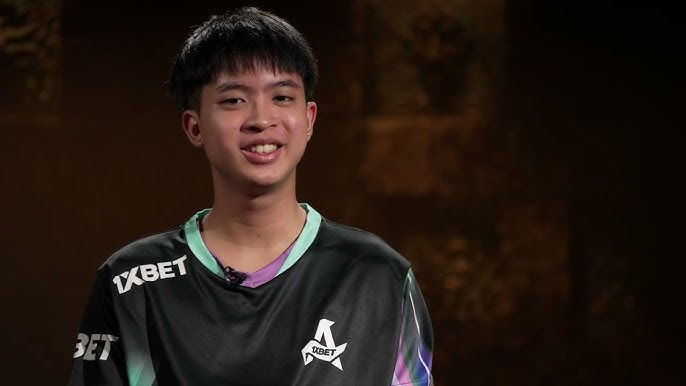
The interviews are written in a narrative journalism style, blending factual accuracy with storytelling rhythm. Writers use tone, pacing, and descriptive language to immerse readers into the player’s mindset. This often includes:
- Scene setting: Describing the environment — a bustling bootcamp, a tense match day, or a reflective hotel evening post-tournament.
- Direct quotes: To capture authenticity, quotes are presented as conversational yet impactful, revealing how players think and feel.
- Emotional layering: Writers interweave personal anecdotes — a tough scrim loss, a memorable LAN moment, or fan encounters — to create emotional connection.
This storytelling method keeps the tone accessible while giving even non-esports readers a reason to care about the person behind the in-game nickname.
Thematic Highlights – SEA Dota2 Player Interviews
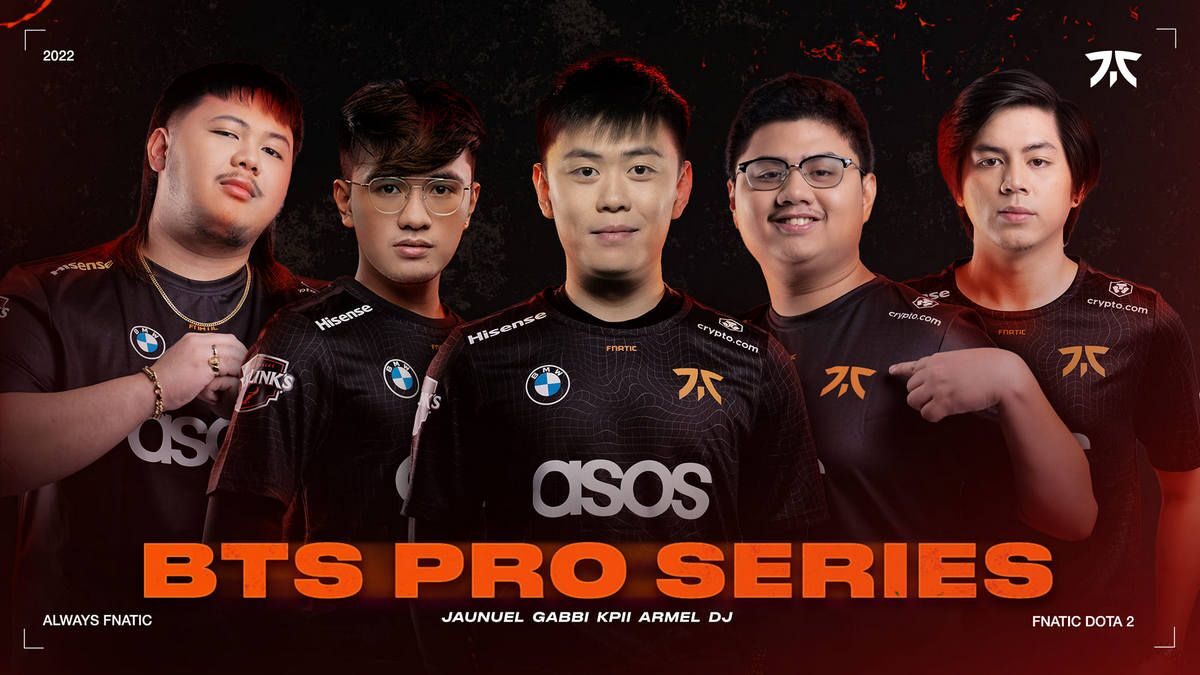
Beyond sharing experiences, the SEA Dota2 Player Interviews series explores recurring themes that define the region’s esports culture. Some key topics include:
- Resilience in Competition: How players like Kpii or March deal with pressure and burnout.
- Team Dynamics: Communication challenges in multilingual rosters, especially within cross-country teams like Talon Esports or Blacklist International.
- Cultural Identity: The pride of representing SEA on the global stage, balancing humility with ambition.
- Career Longevity: Reflections from older players on adapting to new metas and younger teammates.
Each theme reflects SEA’s blend of humility, creativity, and relentless competitive spirit — values that distinguish it from Western and Chinese Dota regions.
Why the Format Works for Fans and Analysts Alike
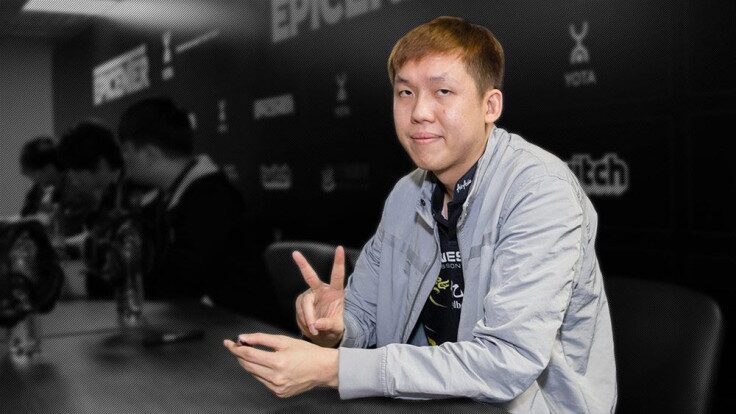
This interview format succeeds because it caters to multiple audiences at once. For casual fans, it humanizes the players they cheer for. For analysts, it provides tactical insight and context about team synergy or preparation. For aspiring players, it offers lessons in discipline and mindset.
For instance:
- Fans get to hear about Mushi’s emotional farewell moments with teammates.
- Analysts pick up on Mikoto’s description of how SEA teams adjust during patch updates.
- Aspiring pros learn how Whitemon keeps composure during high-pressure qualifiers.
The interviews combine storytelling, reflection, and strategic insight — turning simple player features into full-fledged esports documentaries in written form.
Conclusion – Giving SEA Dota 2 Players the Spotlight They Deserve
The SEA Dota2 Player Interviews project represents more than just an article series — it’s an evolving documentation of Southeast Asia’s competitive heart. Each player’s narrative builds a living archive of the region’s evolution: its struggles, its triumphs, and its undying passion for Dota 2.
By blending structure with storytelling, emotion with analysis, these interviews give players a platform to express their truth — not just as competitors, but as individuals shaping SEA’s esports identity. In doing so, the series strengthens the connection between fans, players, and the community that continues to make SEA one of Dota 2’s most fascinating regions.
FAQs
Q1:How do regional rivalries enhance the SEA Dota 2 scene? ▼
Q2:What impact have grassroots tournaments had on player development in SEA? ▼
Q3:How do organizations balance business and performance in SEA Dota 2? ▼
Q4:What are the biggest misconceptions about SEA Dota 2 teams globally? ▼
Q5:How do SEA fans contribute to the identity of the regional Dota 2 scene? ▼
About the Author


