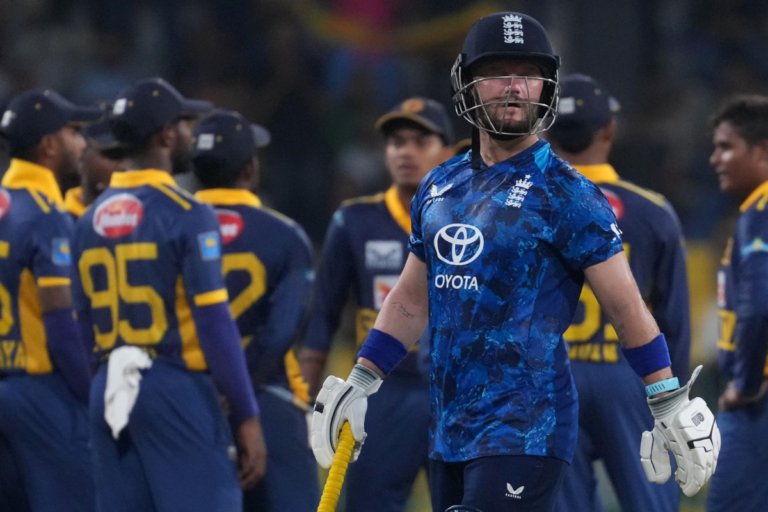

Ashes debut Australia : Australia enters the first Ashes Test with a lineup designed to balance opportunity, form, and necessity. Jake Weatherald and Brendan Doggett are set to debut, marking the first time since 2019 that two Australians start their Ashes careers in the same XI. Injuries to Pat Cummins and Josh Hazlewood created gaps that selectors have filled with both experience and fresh talent, making the team a blend of stability and experimentation.
This explainer focuses on Ashes debut Australia, helping fans understand the strategic reasoning behind selections, batting order adjustments, and bowling combinations, while highlighting what to watch for in Perth’s pace-friendly conditions.
WEATHERALD AT THE TOP : A NEW OPENING PARTNERSHIP – Ashes debut Australia
Jake Weatherald steps into the Test arena after a dominant Sheffield Shield season, finishing as the competition’s leading run-scorer. He replaces Sam Konstas as Australia searches for a consistent opening option, partnering with Usman Khawaja to form a combination that mixes aggression and stability.
Key points of Weatherald’s opening role:
- Rotate strike while building partnerships
- Controlled aggression against bouncers
- Early assessment of seam movement and bounce
Khawaja’s measured style complements Weatherald’s more assertive approach. Selectors preferred this combination rather than moving Marnus Labuschagne back to the top order, keeping the middle order stable while rewarding current form.
DOGGETT ENTERS THE PACE ATTACK — INDIGENOUS REPRESENTATION AND TACTICAL IMPACT
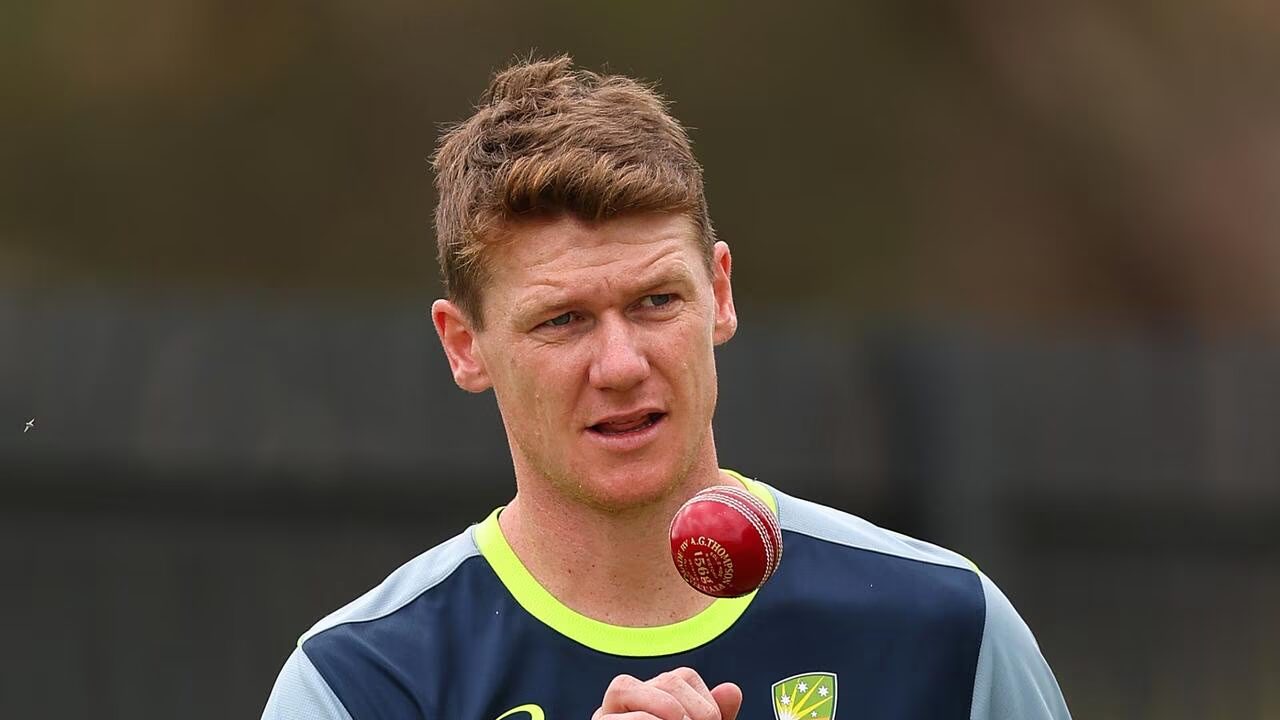
Brendan Doggett is called up following Hazlewood’s injury, offering skiddy bounce, accuracy, and subtle seam movement. His presence strengthens a pace attack alongside Mitchell Starc and Scott Boland, particularly on a Perth surface that favors bounce and pace.
Doggett’s selection is historically notable:
- Third Indigenous men’s Test cricketer for Australia
- First XI to feature two Indigenous players (Doggett and Boland)
- Adds tactical variation for early overs
Doggett is expected to support Starc as the strike bowler, work alongside Boland to maintain pressure, and give Lyon room to operate as the spin anchor. His role is crucial for exploiting weaknesses in England’s top order and maintaining flexibility in bowling rotations.
MIDDLE ORDER AND LINE-UP REBALANCE — GREEN RETURNS

Cameron Green returns from injury to reclaim the No. 6 position, while Labuschagne remains at No. 3 after strong domestic form. Beau Webster was dropped despite solid performances, reflecting selectors’ emphasis on blending youth, form, and experience.
Other key points:
- Steve Smith continues as interim captain and bats at No. 4
- Khawaja and Weatherald open the innings
- Green provides balance as a batting all-rounder
The batting order now reads:
- Khawaja–Weatherald (openers)
- Labuschagne (No. 3)
- Smith (No. 4)
- Head (No. 5)
- Green (No. 6)
The bowling attack complements the batting reshuffle, featuring Starc as enforcer, Boland for control, Doggett as a fresh element, and Lyon as the spin stabilizer.
ENGLAND’S PACE CHALLENGE AND STRATEGIC CONSIDERATIONS

England has named a squad including Jofra Archer and Mark Wood, capable of generating extreme pace. Perth’s hard surface magnifies this threat, especially for Australia’s debut-heavy top order.
Strategic elements to consider:
- Handling short-pitched bowling effectively
- Using Starc, Boland, and Doggett to target weaknesses in Archer and Wood
- Rotating the pace attack to sustain pressure and exploit seam-friendly conditions
This first Test will test how well Australia’s new players adapt to top-tier pace while leveraging tactical depth and supporting experienced teammates.
CONCLUSION — ASHES DEBUT AUSTRALIA AND THE SERIES OUTLOOK
The Perth Test represents a pivotal moment for Australia’s debut-heavy XI. Two newcomers, a reshuffled batting order, and injury-driven bowling adjustments define the Ashes debut Australia narrative.
Weatherald has the opportunity to form a modern opening partnership, while Doggett can establish himself as a reliable element of the pace attack. This XI blends youth, experience, and Indigenous representation, offering tactical flexibility and skill depth. Perth provides the stage for Australia to convert these structural adjustments into competitive advantage and set the tone for the series ahead.
FAQs
About the Author