

Across Australia, GLP-1 medications have shifted from niche diabetic treatments to everyday household names, used by office workers, tradies, students, and even busy parents who struggled with weight for years. But as prescriptions skyrocket, the TGA’s newest update has made one thing clear: Australia is stepping into a more cautious phase. Major outlets like ABC News and The Guardian reported on December 1 that mental-health warnings now apply to all GLP-1 drugs, while Mounjaro faces an additional contraceptive alert. These aren’t scare tactics—they’re informational guardrails built on emerging evidence and a rapidly expanding user base. And for many Aussies who’ve embraced these injections as part of their routine, the shift signals the need for deeper conversations with their GPs.
Australia’s GLP-1 Boom Forces a Regulatory Reset -Australia weight-loss warning

Australia has filled more than two million GLP-1 prescriptions this year, a number confirmed in The Age’s recent reporting. With so many people relying on Ozempic and Mounjaro for weight management or diabetes support, regulators now have clearer insight into side-effect patterns that weren’t obvious during clinical trials. The TGA isn’t restricting access; instead, it’s adjusting expectations and oversight as real-world evidence accumulates. For everyday Aussies, this means the casual “my friend recommended it” approach won’t cut it anymore.
Mental-Health Warnings Added Across All GLP-1 Drugs (Australia weight-loss warning)

New label warnings state that patients may experience depression, sudden mood shifts, urges of self-harm, or worsening existing mental illness. While the TGA is careful to say no direct causal relationship has been proven, the seriousness of the reported events—72 cases of suicidal ideation and several suicide attempts—has encouraged regulators to act early. This change affects every GLP-1 medication, from Ozempic to Trulicity.
Mounjaro’s Contraception Warning Surprises Many Users (Australia weight-loss warning)
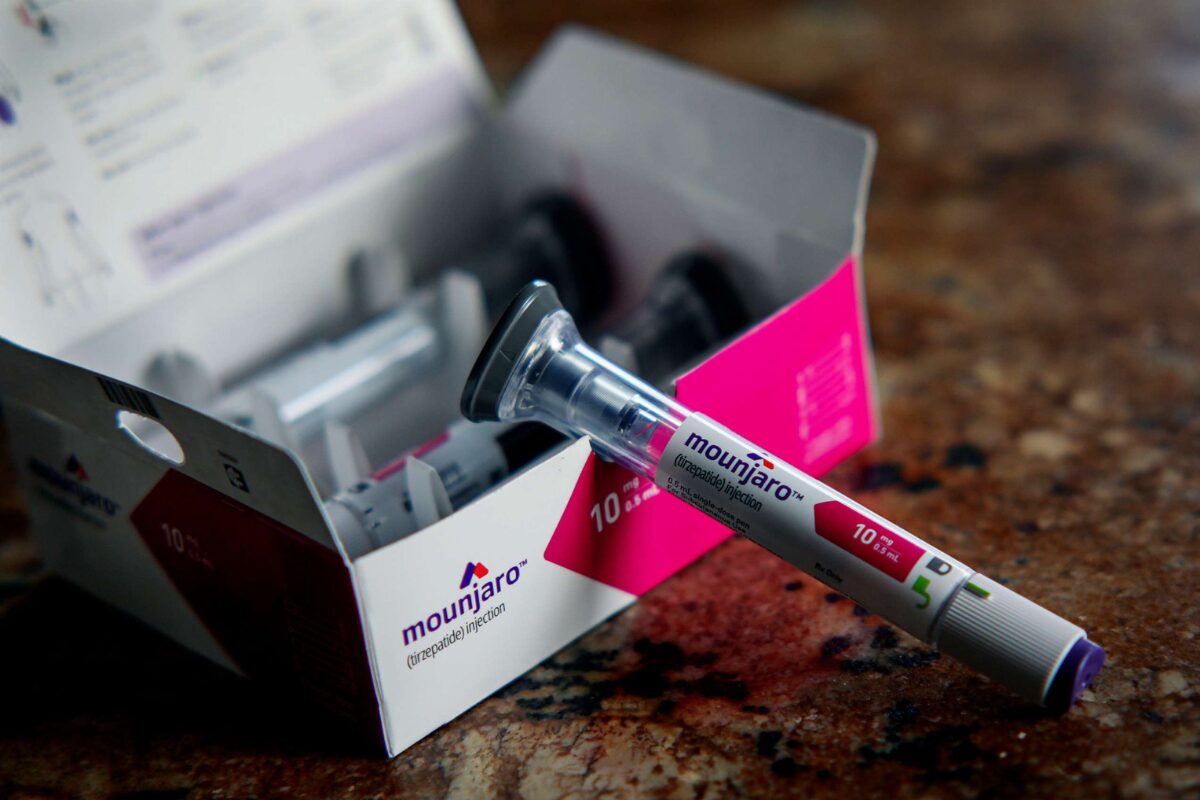
The most unexpected element of the December update is that Mounjaro can reduce the effectiveness of oral contraceptives. Because the drug significantly delays gastric emptying, hormone pills may not absorb as reliably. Women are now advised to switch to non-oral contraception or use condoms for four weeks after starting Mounjaro or after any dose increase. This requirement catches many by surprise, especially younger Australians who had no idea their weight-loss plan could influence their contraception routine.
Why GPs Are Rewriting Their Prescribing Playbooks -Australia weight-loss warning
The RACGP is urging doctors to screen for mental-health vulnerability before writing a script and to check contraception plans for anyone starting Mounjaro. GPs must also schedule more frequent follow-ups during dose escalation, particularly in the first eight to twelve weeks. This shift means consultations may take longer, but the goal is clear: early detection, early support, fewer surprises.
Why the TGA Acted Now—Not Later
International regulators have been reviewing GLP-1 psychiatric effects since 2024, and WHO-linked studies show a subtle but real increase in mood-related symptoms among GLP-1 users. Combined with Australia’s rising number of incident reports, the TGA decided that early communication outweighed waiting for absolute certainty. The goal isn’t fear; it’s transparency.
Australia’s weight-loss warning doesn’t strip away the value of GLP-1 medications, but it does reshape how people should use them. With mental-health and contraception alerts now official, the TGA is placing trust in transparency and shared responsibility. Whether you’re managing diabetes, losing weight, or simply trying to stay on top of your wellbeing, these new guidelines ensure that the journey remains safe, informed, and grounded in real-world evidence.
FAQ Section
About the Author