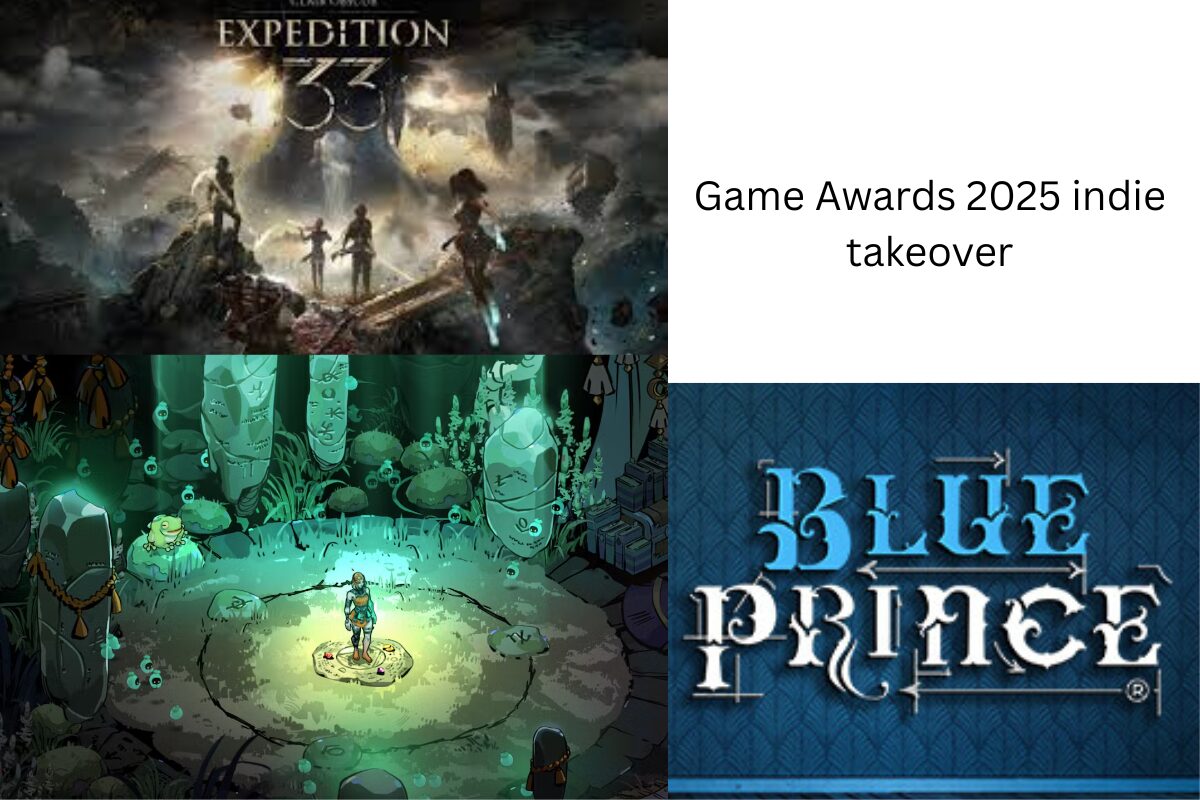
You can treat The Game Awards like an Oscars knock-off — a mix of ads, trailers and quick speeches. But somewhere along the way, this three-hour broadcast stopped being just an awards show. It became a barometer for the entire video game industry — a snapshot of what players value, what developers fear, and where gaming culture is heading next. In 2025, that shift became impossible to ignore (Game Awards 2025 indie takeover).
The world’s most-watched gaming ceremony tells a bigger story – Game Awards 2025 indie takeover
The Game Awards isn’t measured in trophies anymore — it’s measured in reactions.
Every category, every trailer drop, every omission sparks a global conversation, and that alone proves how far this medium has come.
Last year, the show drew 154 million livestreams — more than the Emmys, more than most international sports finals, and almost certainly more than some governments would like to admit.
Whether you love it or hate it, The Game Awards has become gaming’s annual reckoning.
The industry revealed itself this year — Game Awards 2025 indie takeover
Behind every nomination was a trend, a subtext, a fault line.
- Indies are no longer asking for permission
- Sony is rebuilding its single-player empire
- Nintendo is quietly reasserting itself
- Xbox is losing awards but winning influence
- Publishers are terrified of creative stagnation
- Players are craving risk, strangeness and sincerity
This wasn’t just a nomination list — it was a map.
The snapshot that says everything (Game Awards 2025 indie takeover)
Gaming used to be fragmented.
Now, for better or worse, we have a shared calendar and a shared moment.
Say what you like about Keighley — Game Awards 2025 indie takeover

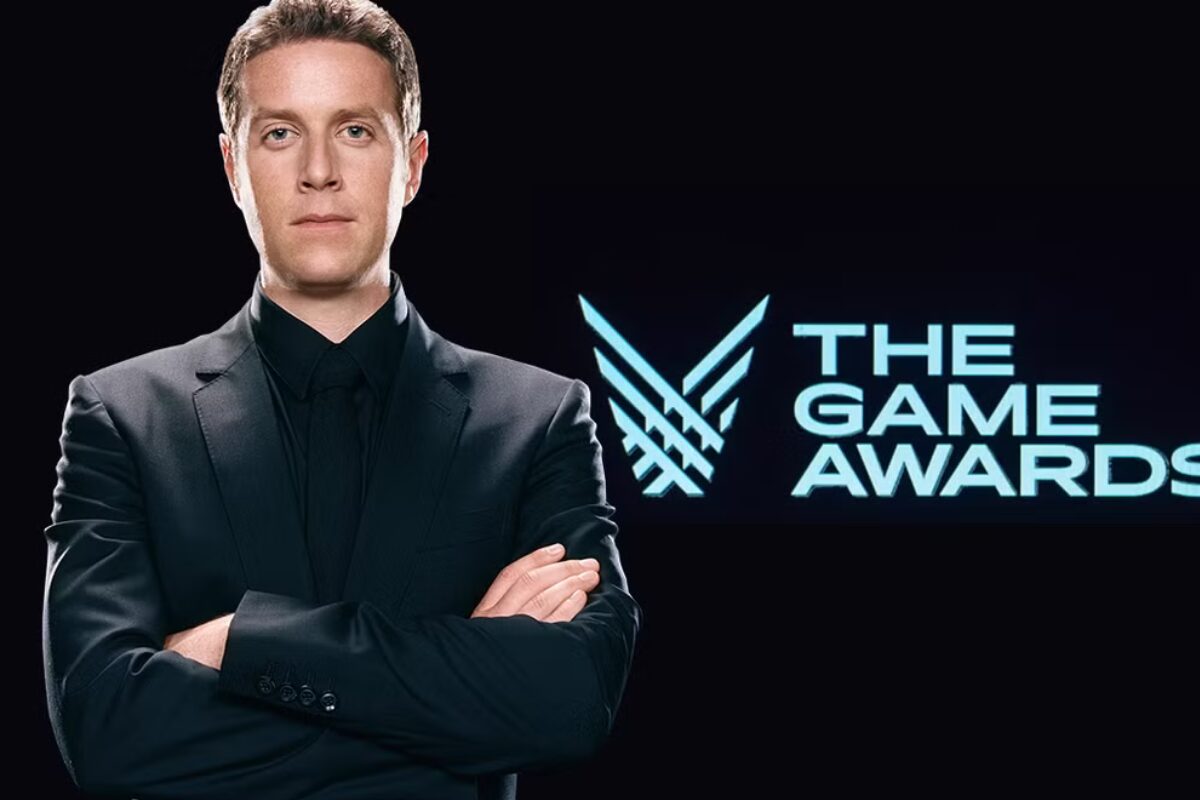
Geoff Keighley is a polarising figure. One day he’s championing indie developers and rehiring fan-favourite composers. The next, he’s getting roasted for overloading the show with ads and celebrity cameos.
But here’s the truth: every major announcement, every debut trailer, every platform war discussion happens here because he created the cultural infrastructure that no one else bothered to build.
Critics call it corporate.
Fans call it hype.
Developers call it a lifeline.
And they’re all right.
The awards reflect the crisis too :Game Awards 2025 indie takeover
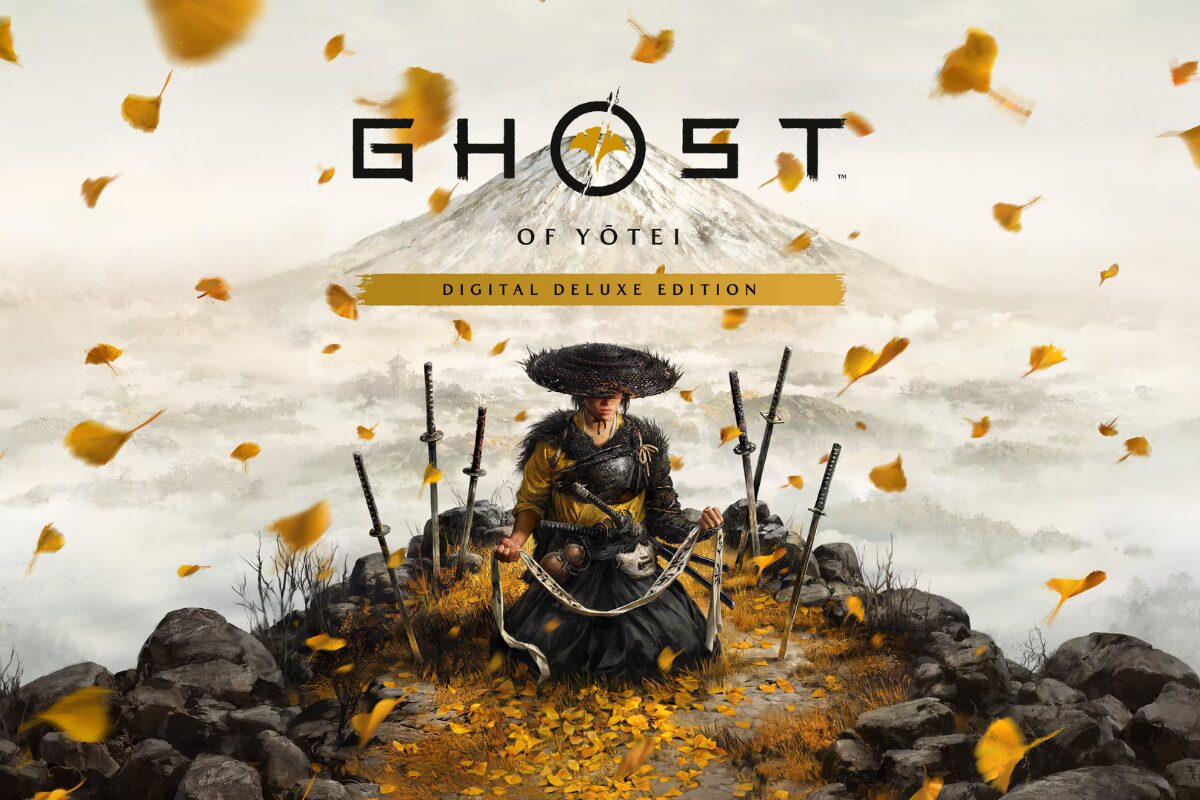
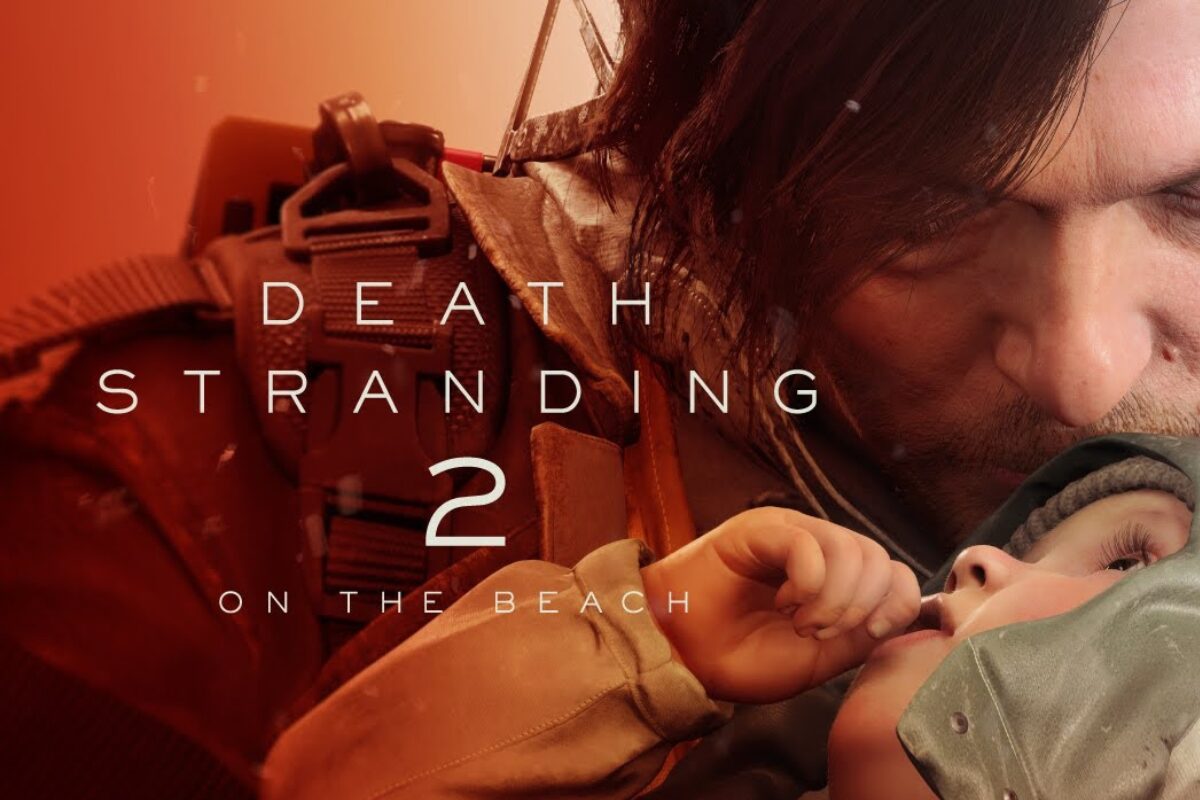

Despite all the glitz, The Game Awards also reflects a darker reality: layoffs, burnout, broken pipelines, and creators leaving the industry entirely.
Independent nominations don’t erase the fact that thousands of developers lost jobs this year.
The applause doesn’t cancel out the grief.
The show isn’t just a celebration — it is a time capsule of what the industry values, and what it still refuses to repair.
Why Australia is watching closer than ever
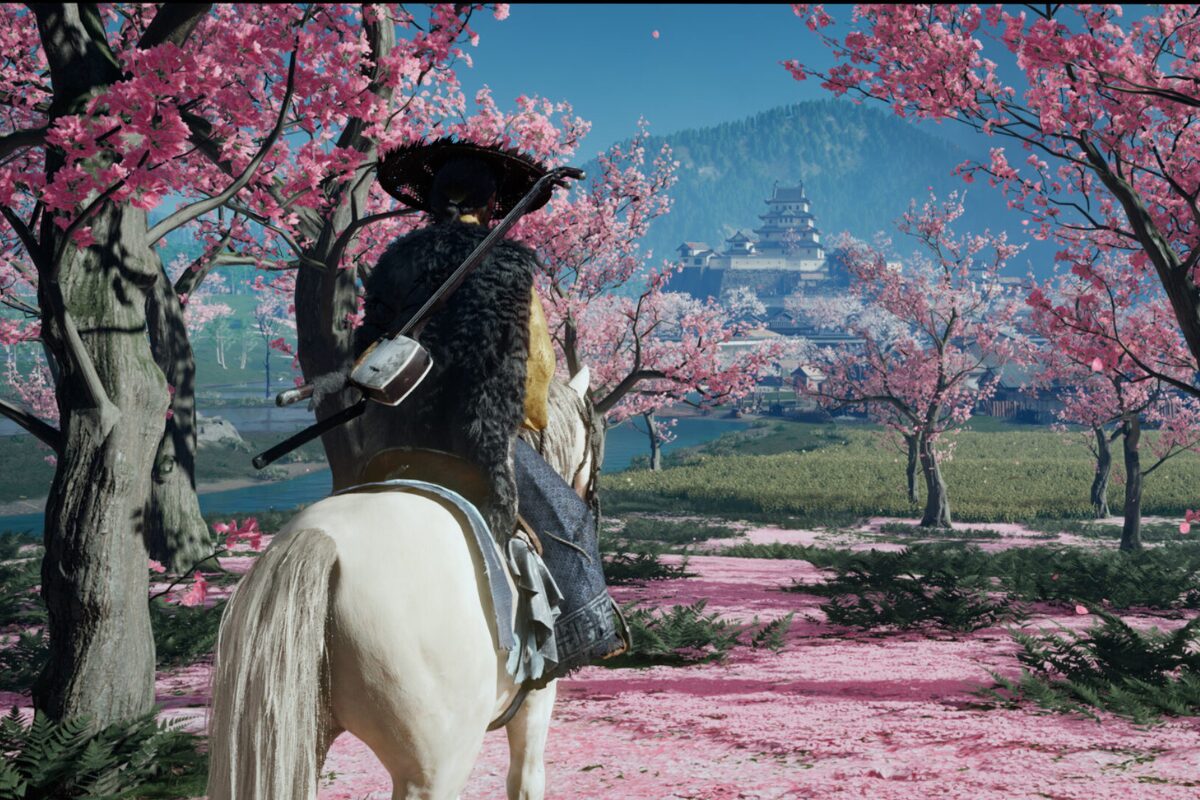
Australia is a perfect microcosm of this shift.
We don’t have mega publishers.
We have small teams, hybrid funding, experimental storytelling and deeply niche humour.
The world is finally meeting us where we already live.
For Aussie devs and fans, watching indie creators get the loudest cheers on the biggest stage isn’t just exciting — it feels like justice.
The Game Awards is no longer a scoreboard for who produced the most expensive game.
It’s a cultural thermometer.
It measures anxiety and optimism, corporate power and creative rebellion, global identity and personal stories — all in one broadcast. The winners matter, yes. But the story around the winners matters more. And in 2025, that story is loud, fractured, emotional, and full of possibility. Exactly like gaming itself.
FAQ Section
About the Author