Jimmy Butler injury return : Injuries are rarely just physical setbacks; they’re tactical disruptions. And for Australian NBA fans analysing the Warriors’ season on ESPN or Kayo, Jimmy Butler’s sudden halftime exit against the Thunder felt like a structural shift more than an isolated incident. With Steph Curry already sidelined by a quad contusion, Golden State entered the OKC matchup without its usual offensive gravity. Butler’s presence was meant to stabilise them.
Instead, the Warriors were forced into on-the-fly adjustments after Butler’s early exit, exposing gaps in spacing, defensive coverage and overall stability. The questions now extend beyond availability — they reach into the team’s identity.
JIMMY BUTLER INJURY RETURN DATE: WHAT HAPPENED FROM A TACTICAL VIEW
The sequence began with Butler’s heavy fall against the Pelicans — a gluteal contusion that immediately affected his lateral strength and landing stability. Heading into the Thunder matchup, Golden State listed him as questionable, only clearing him just before tip-off.
Midway through the second quarter, Butler lost his shoe on a drive, stumbled, and instinctively clutched at his leg. That imbalance created the chain reaction: glute strain, knee compensation, limited explosiveness. He went to the locker room, re-emerged, but didn’t start the second half. Moments before the third quarter ended, Golden State officially ruled him out with left knee soreness.
Jimmy Butler Timeline – Key Tactical Moments
| Tactical Moment | Impact on the Game |
|---|---|
| Pelicans fall | Reduced lateral power and post-entry resistance |
| Cleared pre-tip | Warriors planned normal Butler usage despite risk |
| Shoe-loss incident | Immediate shift in movement mechanics and balance |
| Halftime rule-out | Forced GSW to reassign defensive matchups and creation |
For analysts, the key insight is simple: each moment disrupted Golden State’s tactical structure.
HOW THE INJURY AFFECTED GOLDEN STATE’S SYSTEM — MOVEMENT, SPACING, DEFENSIVE ROTATIONS
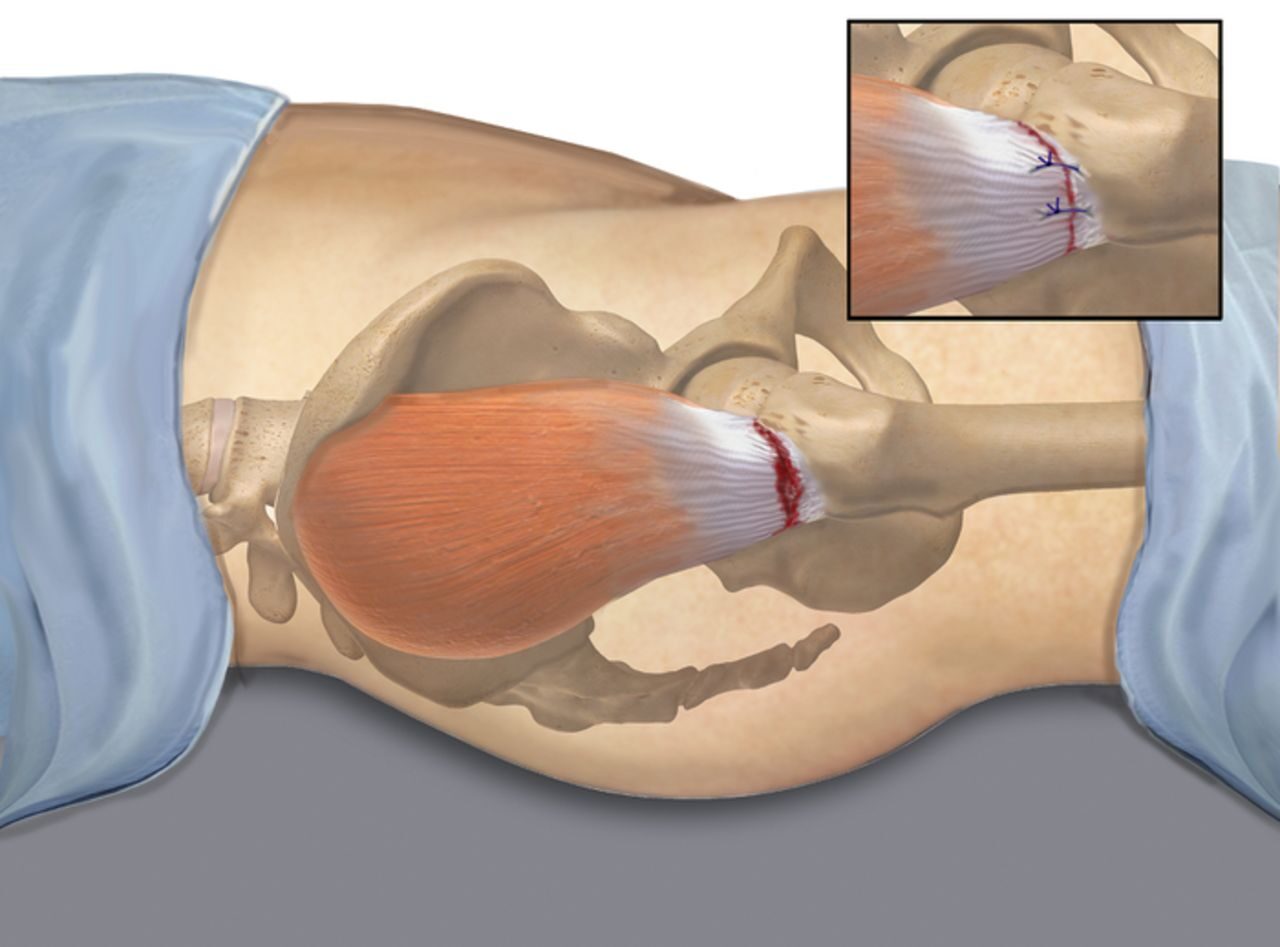
A gluteal contusion is more than a bruise — it affects the very core of a player’s mechanical chain. Butler’s game depends heavily on hip stability, controlled footwork and controlled contact drives. When the glute weakens, three tactical consequences emerge:
Reduced Driving Threat
His deep-post entries — one of Golden State’s most reliable half-court triggers — lose efficiency. Ball-handlers rely heavily on him to collapse defenses. Without that, spacing narrows.
Defensive Coverage Weakens
Butler guards the opposition’s strongest wings. When he’s compromised, Golden State’s defensive assignments reshuffle. In this case, OKC repeatedly targeted mismatches through Jalen Williams and SGA’s screens.
Rhythm Breaker
His presence slows frantic possessions and directs tempo. Remove that, and the Warriors’ structure relies on younger guards to stay poised under pressure.
This is why the Jimmy Butler injury return date holds tactical weight — the Warriors aren’t replacing a scorer; they’re replacing a stabiliser.
HOW OKC EXPLOITED THE GAP — THUNDER’S GAMEPLAN AND GOLDEN STATE’S ADJUSTMENTS
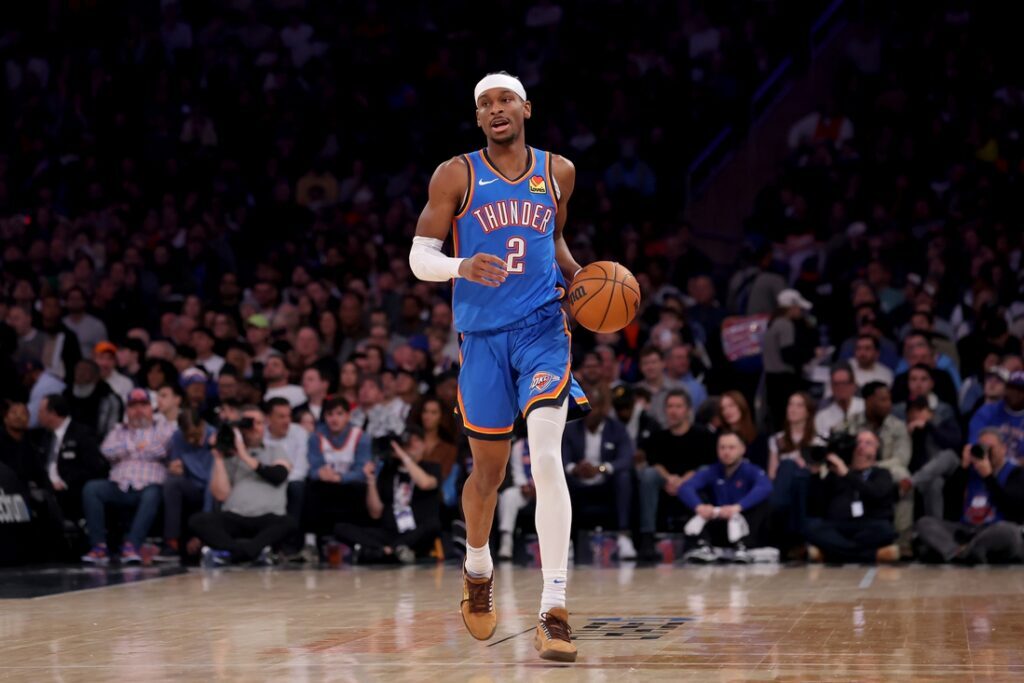
Once Butler exited, the Thunder immediately identified weak points. Oklahoma City’s scheme under Mark Daigneault thrives on punishing compromised defensive structures, and this matchup was no exception.
Here’s how OKC exploited the shift:
- SGA repeatedly moved into high pick-and-rolls, targeting Golden State’s lack of wing containment.
- Jalen Williams attacked closeouts, knowing Butler wasn’t there to absorb the first hit.
- Chet Holmgren played above the arc, dragging defenders out and generating back-cut opportunities.
- OKC increased pace, testing the Warriors’ older rotation players.
Golden State tried to counter through:
- Increased touches for Brandin Podziemski
- Draymond’s playmaking from the elbows
- Spot-up spacing from Seth Curry in his first game back
But tactically, the damage had already been done. Butler’s exit didn’t just create a scoring deficit — it created predictability, something OKC leveraged possession after possession.
WHAT AUSTRALIAN FANS SHOULD WATCH NEXT — ROTATION SHIFTS, MATCHUP CHANGES, AND RETURN INDICATORS
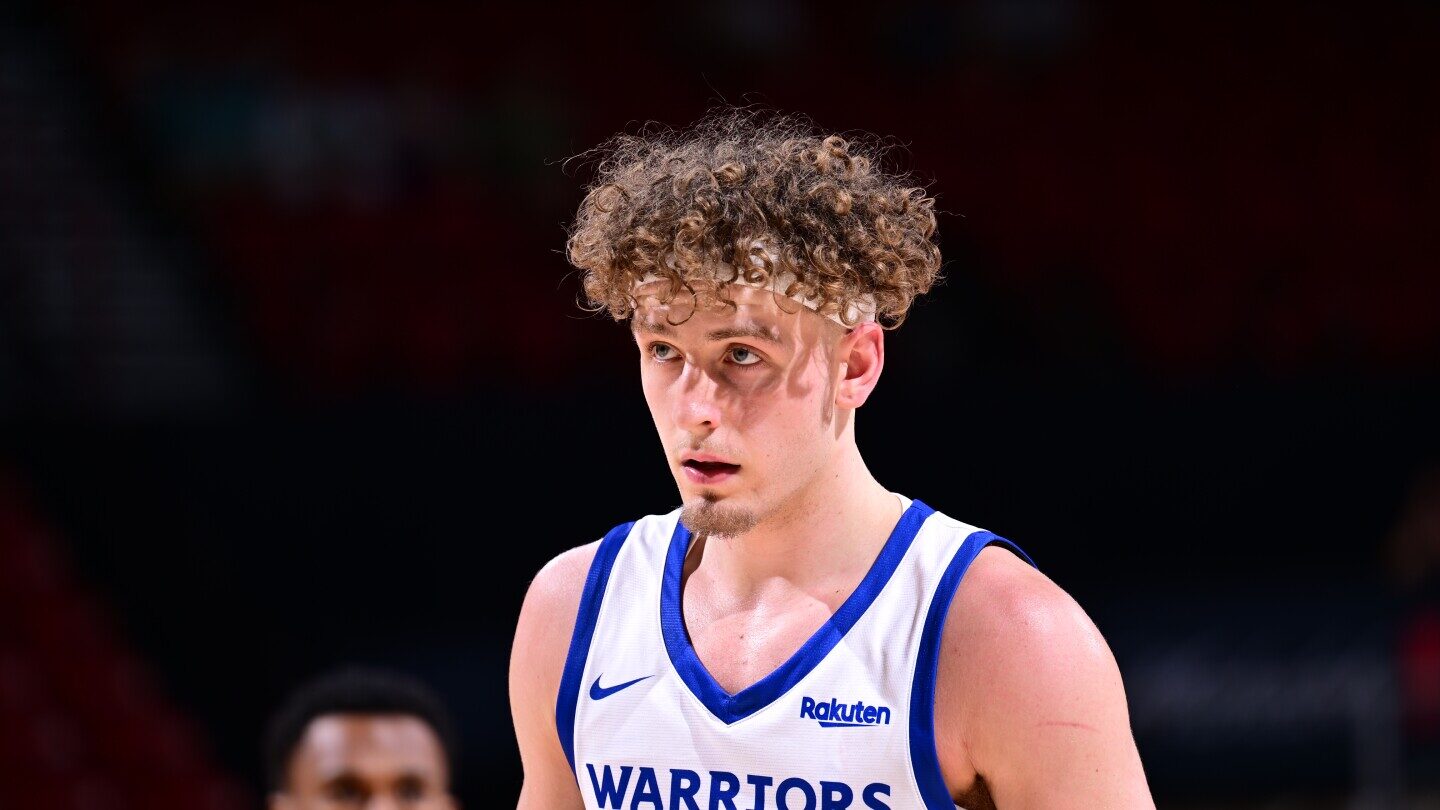
For Australian fans who follow Golden State’s tactical trends closely, the next week becomes less about box scores and more about structural signs. Butler’s return timeline influences the Warriors’ competitive identity across several angles:
Key Areas to Monitor
- Knee response over 48–72 hours, especially how it handles lateral stress
- Glute activation and whether he regains normal hip stability
- Shot-creation demand on Podziemski, who becomes the default initiator
- Draymond’s expanded responsibilities, especially in scrambling defensive sets
With Curry still recovering, Golden State enter a stretch where the tactical picture changes nightly. For DFS players and punters, Butler’s absence shifts usage rates and expected outcomes across multiple categories.
Australian viewers checking availability before each game — often minutes before tip-off — will find that Butler’s status becomes the defining variable of the Warriors’ upcoming East Coast run.
CONCLUSION : WHY BUTLER’S RETURN IS AS MUCH TACTICAL AS IT IS PHYSICAL – Jimmy Butler injury return
Jimmy Butler’s injury isn’t merely a medical concern — it’s a tactical hinge point. His glute and knee issues affect Golden State’s spacing, defensive matchups, creation hierarchy and overall rhythm. Without him, the Warriors rely on improvisation; with him, they regain structure.
For Australian NBA fans tracking the Jimmy Butler injury return date, the story is as much about strategy as it is about recovery. His return will determine how Golden State defend elite wings, generate efficient shots and navigate high-pressure stretches with a compromised roster.
The Warriors can survive in the short term, but their long-term competitive shape depends heavily on Butler returning not just healthy, but fully functional in every tactical layer of their system.
FAQs
About the Author