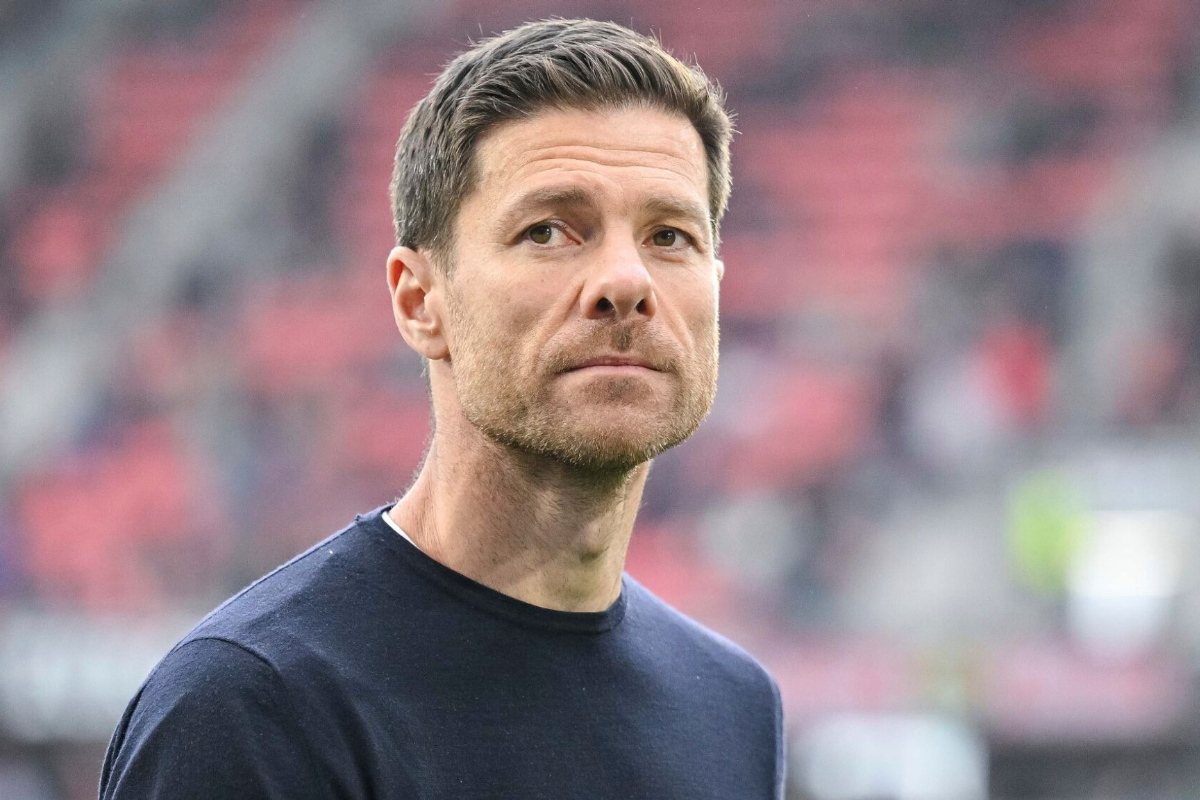
The appointment of Xabi Alonso in June 2025 was supposed to signal a shift toward tactical sophistication. Bringing the “Leverkusen System”—a high-intensity, wing-back-dependent 3-4-2-1—to the Bernabéu required patience and specific profiles. Instead, the Real Madrid managerial crisis accelerated when this complex system collided with a boardroom demanding immediate results. By the time the Supercopa final arrived in January 2026, the structural integrity of the team had dissolved. A 3-2 loss to Barcelona wasn’t just a defeat; it was the trigger for a dismissal that ignored Alonso’s 2nd-place league standing. This cycle proves that at Real Madrid, a manager’s tactical pedigree is often secondary to the immediate optics of the scoreboard.
Structural Imbalance: The President-Centric Model
Analyzing the Real Madrid managerial crisis requires looking at the lack of a traditional sporting hierarchy. Most elite clubs utilize a Sporting Director to harmonize recruitment with the coach’s philosophy. At Madrid, Florentino Pérez maintains an “Imperial Presidency,” directly overseeing transfers and finances. This creates a vacuum where the manager lacks a buffer during periods of poor form. Without a sporting architect to defend the tactical “process,” the manager is left isolated against media narratives. Success here is not just about the 90 minutes on the pitch, but about “managing upward” to satisfy a board that prioritizes brand over tactical continuity.
| Structural Component | Real Madrid Model | Modern Elite Model | Impact on Coach |
|---|---|---|---|
| Recruitment Control | President-led | Sporting Director-led | Forced to use “Star” profiles |
| Tactical Buffer | Non-existent | High | Immediate sacking risk |
| Transfer Logic | Commercial / Marketing | Tactical / Positional | Squad imbalance |
The Galáctico Trap: Positional Congestion vs. Balance – Real Madrid managerial crisis

The squad rebuild under the current administration has created a “Shiny Object” paradox. From a tactical perspective, the roster is heavily weighted toward left-sided attackers, creating severe positional congestion. Alonso’s request for a defensive anchor like Martin Zubimendi was overlooked in favor of high-profile forwards, leaving a “hollow” midfield. This forced the coaching staff into the “Bellingham Dilemma,” where elite midfielders are pushed into unnatural False-9 or CF roles to accommodate the Mbappé and Vinícius Jr. partnership. When the team loses defensive transition, the board blames the coach’s “training methods” rather than the inherent transfer policy flaws.
Player Power and the Erosion of Coaching Authority
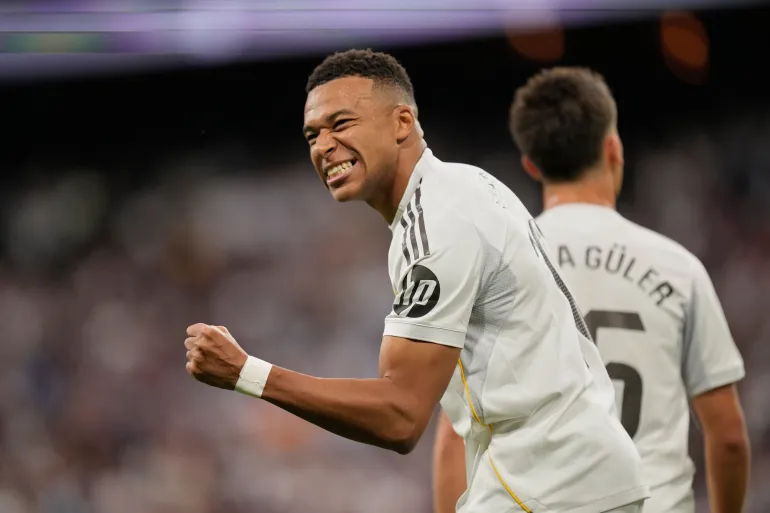
In the analytics of a locker room, authority is the most valuable currency. However, at the Bernabéu, the player power dynamic often bypasses the dugout. The “Mbappé Incident” served as a case study in how star brand value can override a manager’s tactical instructions. When players realize the board prioritizes their commercial value over the manager’s technical standing, the manager’s influence wanes. This leads to a breakdown in tactical discipline, particularly in high-stakes matches like the October Clásico.
- Brand Value vs. Tactics: Players with high commercial pull often feel immune to tactical benching.
- The Silent Veto: Stars can effectively reject a system, knowing the manager is the expendable variable.
- PR Masking: Departures are labeled “mutual consent” to protect the image of the dressing room leaders.
The Interim Strategy: Arbeloa and the Safety Net

Whenever a project collapses, the club retreats to the “Interim Trap.” The appointment of Álvaro Arbeloa is a strategic move to restore “Madridismo” without altering the underlying club structure. While rumors of Klopp or Guardiola keep fans engaged, the interim appointment allows the board to maintain control without conceding power to a world-class manager who might demand recruitment autonomy. Arbeloa acts as a tactical bridge, but he lacks the leverage to fix the La Liga problems caused by a thin defensive rotation. He is a symptom of a system that views the manager as a replaceable part rather than a long-term leader.
Conclusion: The Persistence of the Management Cycle – Real Madrid managerial crisis
The Real Madrid managerial crisis is not a series of isolated coaching failures, but a recurring symptom of a boardroom that views football as a marketing exercise. As Pérez approaches his 80s, the drive for instant “Jewel in the Crown” success—like the Super League—creates a volatile environment where no tactical project can truly take root. Until a modern sporting structure is adopted that empowers the manager over the “stars,” the cycle of hiring and firing legends will continue. The name on the dugout is irrelevant if the presidential influence continues to prioritize Galácticos over a balanced, defensible squad.
About the Author