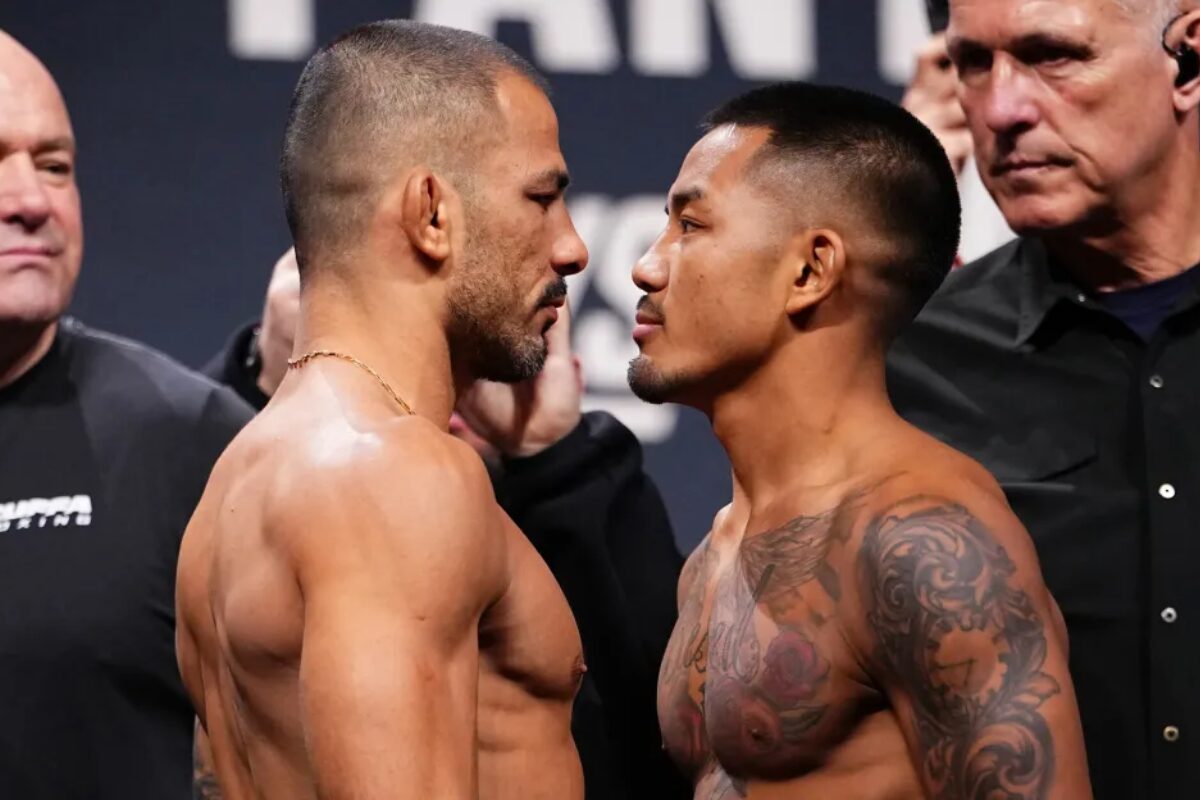
The UFC323 Pantoja vs Van matchup is a case study in how two fighters with radically different offensive systems can impose their game without ever mirroring each other. Alexandre Pantoja brings a pressure-first, scramble-heavy blueprint — a style that rarely looks clean but consistently produces winning moments. Joshua Van brings the opposite: a layered striking system built on combination flow, body targeting, and pace stability.
This fight isn’t simply about who does more. It’s about who forces the other into the wrong type of fight at the wrong time. In technical matchups like this, the early reads matter almost as much as the late ones.
Core Identities: How Each Fighter Builds Their Game
Before any tactical projection, the foundation must be clear. Pantoja’s style is built on compressing space. He generates scrambles from pressure, and those scrambles often create the positional edges that define his championship wins. His durability allows him to accept risk other fighters avoid.
Joshua Van constructs his game through structure. He uses long combinations to control rhythm, and his ability to work the body early creates problems for fighters who rely on constant motion. His adjustments since the Charles Johnson loss show a striker who now understands how to reset fights on his terms.
Technical Summary Table
| Category | Alexandre Pantoja | Joshua Van |
|---|---|---|
| Primary Strength | Grappling chains, back control | Combination boxing, body shots |
| Preferred Range | Mid-range to clinch | Pocket and mid-range |
| Key Weapon | Pressure entries into scrambles | Oblique kick + long combos |
| Risk Factor | High output leads to energy dips | Defensive wrestling still untested |
| Win Condition | Forced grappling exchanges | Maintaining center and pace |
These baseline identities form the tactical spine of UFC 323.
Offensive Dynamics: Where Pressure Meets Precision
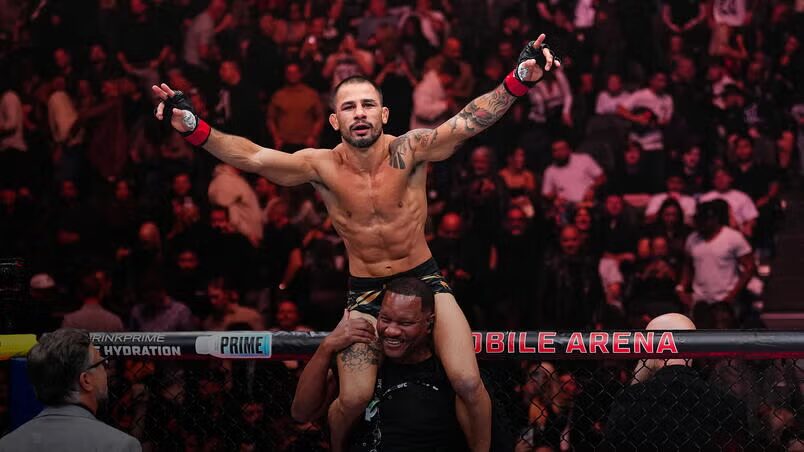
Pressure fighters like Pantoja tend to operate in bursts rather than long strings of technique. He uses hooks to force reactions, calf kicks to steer footwork, and pace to create scrambles. Against fighters who concede cage space, this becomes a self-reinforcing cycle. An example from his win over Royval showed how a single leg kick led to a defensive pivot, which triggered a clinch entry, which created a scramble that lasted thirty seconds.
Van breaks cycles instead of feeding them. His combination sequences — often four-to-six strikes ending with a body shot — disrupt momentum. He thrives in exchanges that can be structured. His oblique kick, highlighted by Israel Adesanya, is a key distance-management tool that can stop pressure before it layers into a grappling threat.
Inside this dynamic:
• Pantoja wins if exchanges become multi-layered
• Van wins if exchanges reset cleanly after each combination
• Pantoja’s chaos builds advantage
• Van’s clarity removes it
This is where the matchup becomes tactically delicate.
Defensive Questions and Betting Context: What Each Fighter Must Solve – UFC323 Pantoja vs Van

From a defensive perspective, Pantoja’s vulnerabilities appear in pockets of fatigue. He has shown moments — particularly in later rounds — where his entries become predictable, allowing opponents to target the body or intercept him. But his ability to recover quickly reduces the long-term risk.
Van’s defensive questions center on grappling. His wrestling is functional, but not yet proven against a chain wrestler with championship experience. Surviving the first scramble cycle of each round is critical. If he’s forced to defend his back multiple times, the fight shifts dramatically toward Pantoja’s preferred terrain.
Betting lines reflect these tactical realities.
• Pantoja enters as the favourite due to the grappling gap and proven durability
• Submission odds align with his ability to create extended control sequences
• Van’s KO odds remain wide because Pantoja has never been finished
From an analytical standpoint, Van’s most viable path is a decision built on pace management and defensive discipline. Anything requiring him to win prolonged grappling phases becomes statistically unlikely.
Conclusion: Why UFC323 Pantoja vs Van Hinges on Small Moments and Precise Adjustments
The UFC323 Pantoja vs Van title fight is less about who is better in a vacuum and more about who can steer the other into their preferred version of a fight. Pantoja’s path flows through pressure, scrambles, and positional chains. Van’s path flows through rhythm, distance control, and forcing resets after every exchange.
If Pantoja controls the pace early, the fight may unfold into predictable grappling sequences. If Van avoids those early traps, the later rounds introduce a pace and clarity that favour his youth, cardio, and volume. The champion enters with the historical edge, but the challenger brings a style capable of disrupting that history if the right adjustments land at the right time.
Either way, UFC 323 offers the type of technical contrast that defines eras — a title fight where even the smallest mistake could reshape the entire flyweight landscape.
FAQs
About the Author