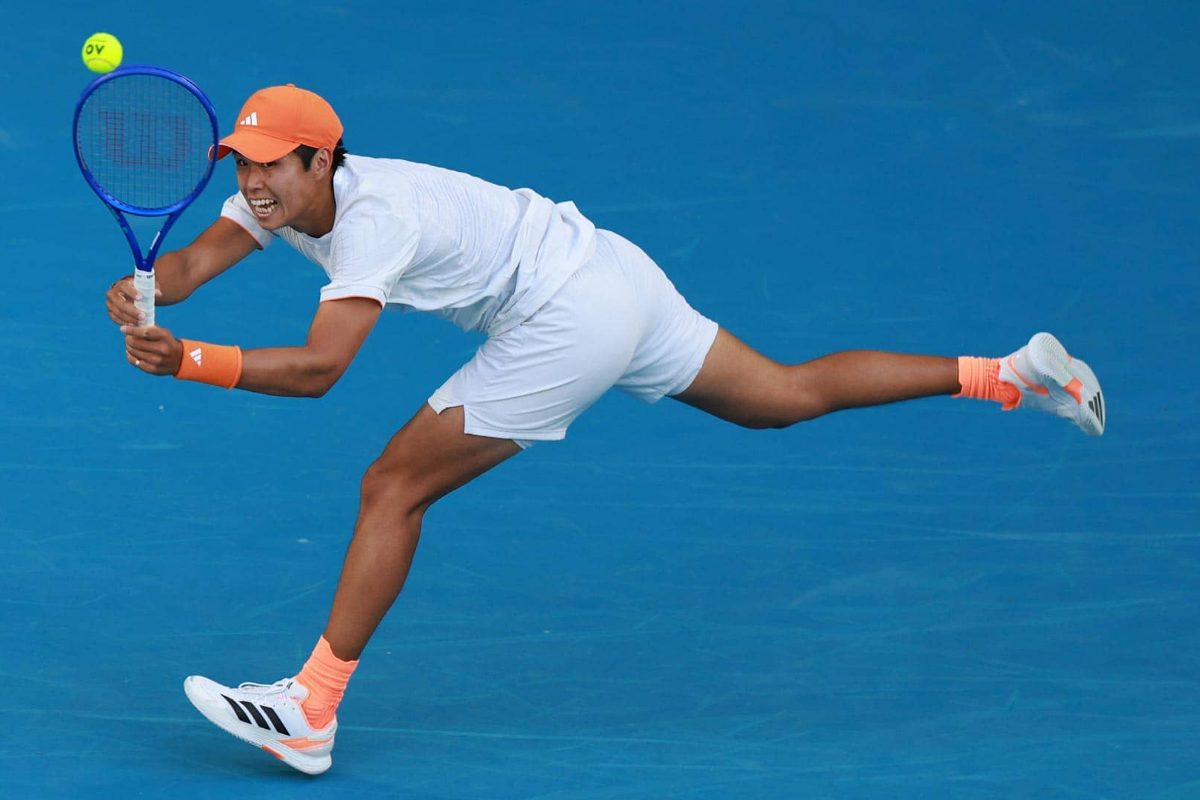
The fourth-round clash between Learner Tien and Daniil Medvedev was less of a slugfest and more of a high-stakes chess match played at 100 miles per hour. Tien, the 20-year-old left-hander from California, showcased a level of spatial awareness and point construction rarely seen in players his age. By securing a 6-4, 6-0, 6-3 victory, he officially etched his name into the history books as the youngest Australian Open quarterfinalist in over a decade. His ability to maintain a calm, analytical mindset—even after a mid-match medical timeout for a nosebleed—allowed him to execute a game plan that left one of the tour’s best defenders without an answer.
Statistical Dominance: By the Numbers
An analytical look at the box score reveals where the match was won and lost. While Medvedev traditionally thrives on extending rallies and baiting unforced errors, Tien flipped the script. The American maintained a remarkably lean unforced error count while simultaneously tripling Medvedev’s winner count in the middle frames.
| Tactical Category | Learner Tien | Daniil Medvedev |
|---|---|---|
| Winner / UE Differential | +17 | -15 |
| Average Rally Length | 4.2 shots | 4.2 shots |
| Net Points Won % | 78% (14/18) | 45% (5/11) |
| Return Points Won | 52% | 29% |
| Pressure Points Saved | 11/12 | 6/13 |
This data underscores a total breakdown of Medvedev’s “grinding” style. By keeping the average rally length short and efficient, Tien denied the 11th seed the rhythm he requires to suffocate opponents from the baseline.
Engineering the 11-Game Streak
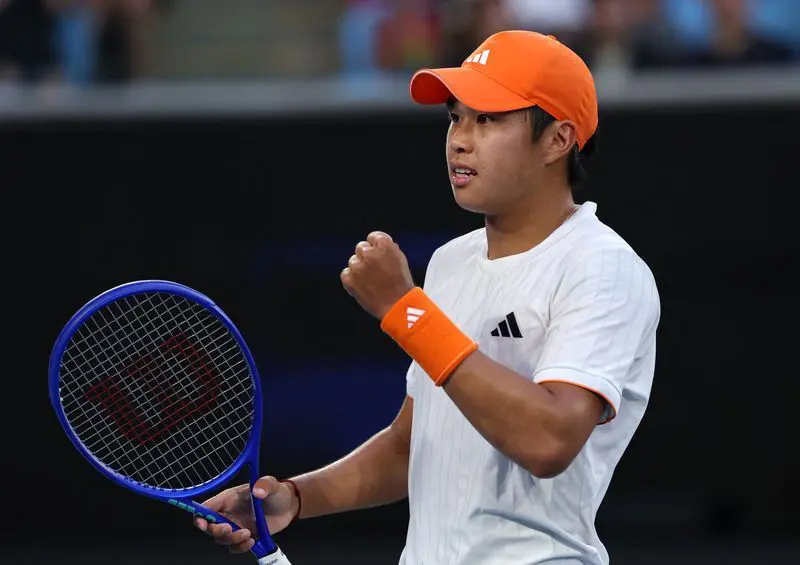
The heart of the match was defined by a staggering 11-game winning streak that spanned from the end of the first set through a flawless second-set “bagel.” To achieve this, Tien utilized a specific set of tactical pillars:
- Southpaw Geometry: Using the heavy topspin lefty forehand to pull Medvedev wide to the deuce side, opening up the down-the-line winner.
- Depth Control: Keeping the ball within two feet of the baseline, preventing Medvedev from stepping in and dictating play.
- Variety as a Weapon: Mixing in drop shots and short-angled volleys to force the 6’6″ Medvedev into awkward forward movements.
These adjustments allowed the youngest Australian Open quarterfinalist to dominate the court without over-extending physically, a masterclass in efficiency that exhausted Medvedev mentally.
The Michael Chang Strategic Influence
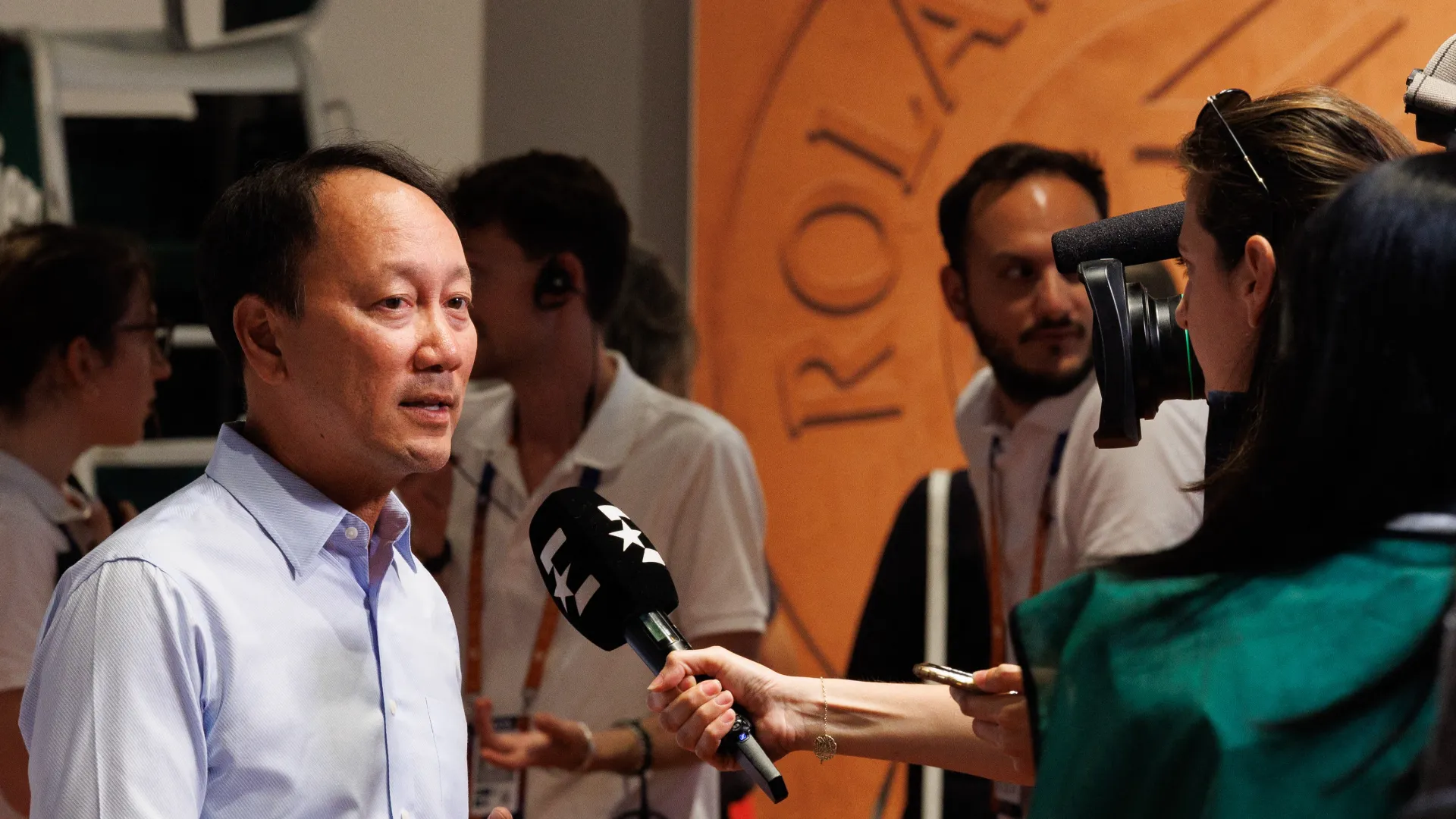
Since July 2025, the presence of Michael Chang in Tien’s player box has introduced a “Chessboard Philosophy” to his game. Chang, a former Major champion himself, has refined Tien’s ability to “read” an opponent’s positioning. This was evident in how Tien handled Medvedev’s deep return stance. Rather than serving for power, Tien utilized the “Ad-Court Slider”—a sliding serve that forced Medvedev into the signage, leaving 75% of the court open for a serve-plus-one finish. This tactical maturity has seen Tien’s live ranking jump to No. 24, a far cry from his No. 122 standing at the start of 2025.
Quarterfinal Forecast: The Zverev Calculation

As the youngest Australian Open quarterfinalist prepares for the next stage, the analytical focus shifts to Alexander Zverev. Unlike the defensive-minded Medvedev, Zverev offers a power-centric puzzle. The head-to-head series is currently locked at 1-1, presenting a fascinating data set:
- The Return Factor: Tien must neutralize Zverev’s 220 km/h first serve, a task he handled well during his win in Acapulco but struggled with at Roland Garros.
- Backhand Exchanges: Both men possess world-class two-handed backhands; the match will likely be decided by who can change the direction of the ball first.
- Court Positioning: Zverev will look to hug the baseline, whereas Tien will need to use his variety to push the German into defensive positions.
Conclusion: A Paradigm Shift in Professional Tennis – Youngest Australian Open quarterfinalist
The 2026 Melbourne campaign has proven that the gap between the “Next Gen” and the established elite is closing through intelligence rather than just athleticism. Learner Tien’s run isn’t just a feel-good story; it is a blueprint for how a smaller, tactically-minded player can dismantle a giant of the game. Regardless of his result against Zverev, the youngest Australian Open quarterfinalist has demonstrated that he possesses the mental and technical tools to compete for the sport’s biggest prizes for years to come.
About the Author